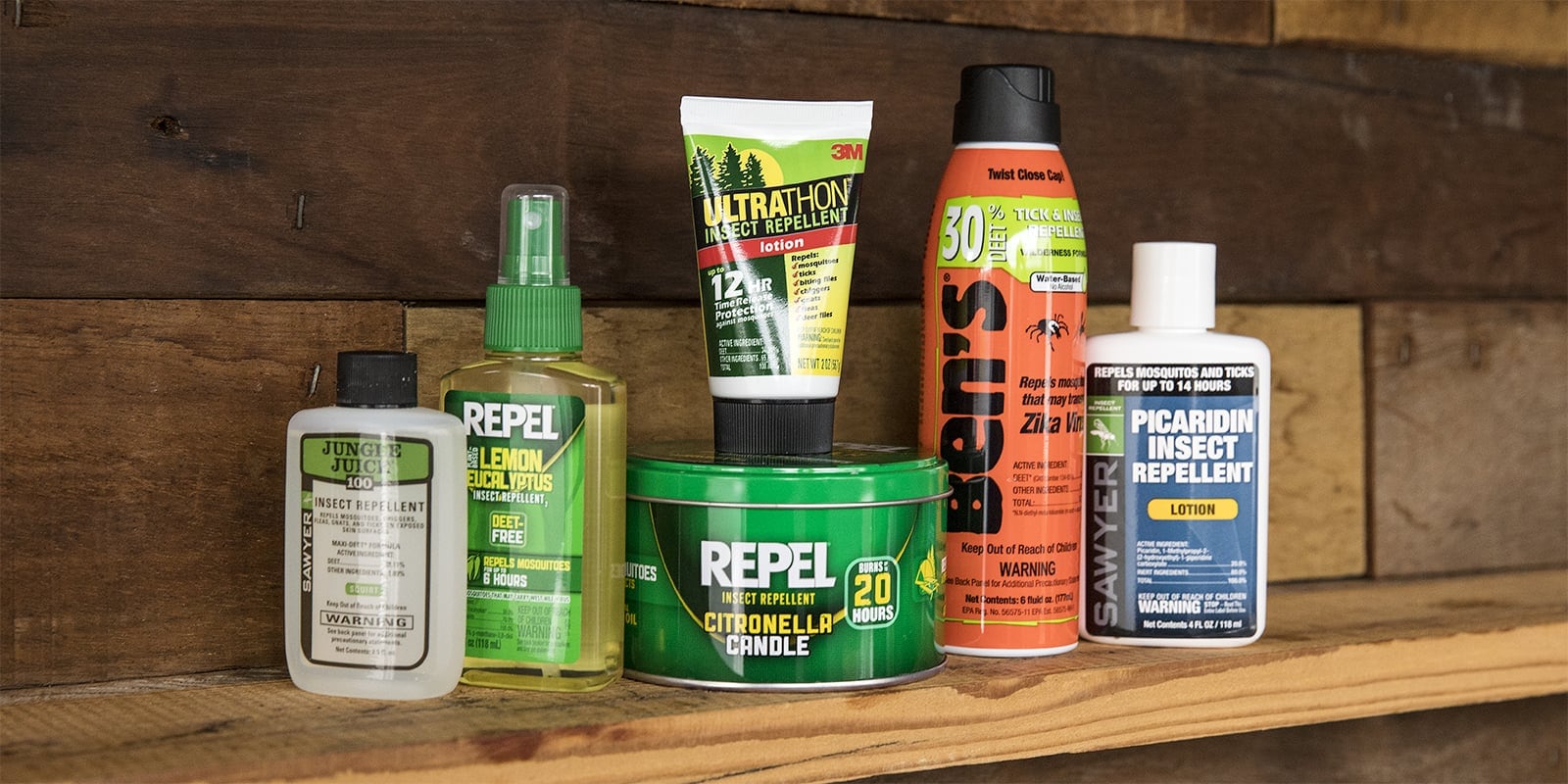
When insect repellent is doing its job, you’ll happily forget you’re wearing it. If it’s not performing, on the other hand, you are almost guaranteed to think about bugs the entire time you’re hiking, camping, trail running or however else you like to spend time outside. Take it from an expert: “You miss a spot, the mosquitoes are going to find you, I'm sure,” says Dan Markowski, technical advisor for the American Mosquito Control Association, a not-for-profit organization focused on reducing the public health risks of disease-carrying pests. Especially when it comes to the risk of insect-borne diseases like malaria or Lyme disease, “It doesn't take all of them to bite you. It just takes one,” he says. “So yeah, I try to keep all of them off.”
Crawling, flying, biting critters (which we’ll generally refer to in this article as insects, even though not all of them technically are) will probably find a way to annoy you when you’re exploring outdoors—that’s their home, mind you. Beyond that truism, though, tackling the issue isn’t one-size-fits-all. What kind of insects will you be dodging? Will you be running and sweating a lot, or fly-fishing on a peaceful stream? (The technical term for the latter is “sitting duck.”) There are bug sprays catering to all manner of scenarios and application preferences; just as abundant are ineffective formulations that will have you ringing the dinner bell for every bloodthirsty bug in the area. No need to be that person. Read on to find the best options for shielding yourself from bugs wherever and however you recreate, and pointers for buying a bug spray that actually works.
Jump ahead to specific sections using the links below, or read on to learn about buying the best insect repellent for you.
Editor's note: We updated this guide on May 26, 2026, to include more information about types of bug sprays, references and to answer commonly asked questions.
Where Will You Be and What Insects Will You Encounter?
Where will you be? The first question to direct your repellent plan of action is where you’ll spend time outside, in terms of geography and landscape, and which insect is a concern. Markowski suggests looking up the local mosquito control district or health department wherever you’re heading. “They’ll usually tell you the predominant mosquito species, if there’s any active virus in the area, and some have little mosquito meters that’ll tell you exactly how bad mosquitos are that time of year,” he says. Many Northeast offices also provide basic tick information since it’s such a concern there. The Centers for Disease Control and Prevention (CDC) also provides a map of where disease-transmitting ticks live.
Generally, if you’ll be in the Northeast to Midwest parts of the United States and especially in grassy areas, ticks should be top of mind. They’re most common in these regions and likely to carry at least one pathogen like Lyme disease; increasingly, by recent estimates, many carry at least two.
In the Southeast and especially its marshy or coastal areas, mosquitoes, biting midges (also known as no-see-ums) and other biting bugs tend to be a nuisance, with a chance of ticks too.
Western states are more of a “mixed bag,” says Markowski. Though less common, ticks do exist in some places and can carry regionally unique diseases like Rocky Mountain Fever. Meanwhile, some areas like the Pacific Northwest are silly with mosquitoes. (In the PNW, among other regions, you may also encounter stinging insects like hornets and wasps, but note that no insect repellent works against those.)
Many of the active ingredients we discuss below will repel a wide range of insects from mosquitoes to ticks and midges, but some repel certain insects like flies better than others.
For areas with ticks, Markowski encourages extra precautions from the bottom up. “Ticks don't fall out of the tree on your head—they get on your legs and wanna crawl up,” he says. The best line of defense is treating boots and pants with a gear-specific repellent containing at least .5% insecticide permethrin. Ticks tend to live in grassy, bushy or wooded spaces, so the CDC recommends avoiding those areas and walking in the center of trails when possible.
What activities will you be doing and when? In general, swarming critters tend to like stillness. For that reason, overnight camping trips where you’ll be sitting around after sundown, or time spent kayaking or fishing around still bodies of water like lakes, warrant reinforcements. You may want to consider mosquito net clothing or gear-specific insect repellent for clothing and tents.
Of course, you can still get stung or bit while moving. High-aerobic activities will have you sweating off your repellent, so you may want to prioritize the ease of a spray and one that doesn’t feel uncomfortably sticky with frequent reapplication.
Markowski’s general rule: Wear long layers (there are breathable and cooling versions for hot weather) then apply insect repellent on your clothes and any exposed skin, including hands, neck and face. The clothing is a physical layer that bugs will need to bite through, and reapplying clothing-specific repellent to clothes helps you feel less sticky. (Take care using DEET on fabrics, as it can damage those made with synthetics.)
And be more vigilant during times of day when the insects in your area may be more active. Ticks tend to be most active during the day, biting midges and blackflies are active in the daytime and evening, while many mosquitoes and sandflies are active during dawn and dusk and in the early evening.
Which Active Ingredient Is Best for You?
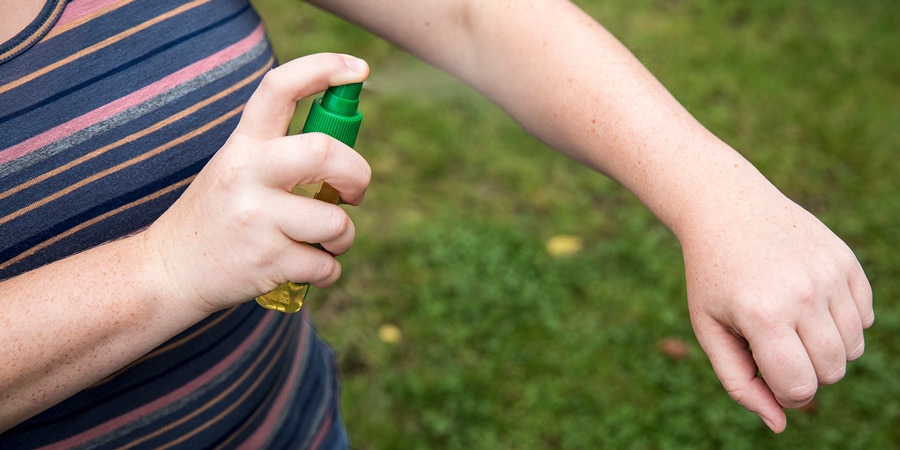
The most common bug spray ingredients are discussed below in descending order of proven effectiveness. The first four ingredients are found in EPA-registered products, meaning they’ve had to prove any claims about safe human use and effectiveness through a battery of tests. It’s a good idea to stick with EPA-registered ingredients, but beyond that, your choice will largely depend on personal preferences or sensitivities.
You may not get along with repellent that lots of other people like, so always test before you find yourself on a longer or more remote outing—especially if you plan to visit very buggy areas, have sensitive skin or tend to be a mosquito magnet. “If you're one of those people that mosquitoes aren't highly attracted to anyway, you can get by with just about any gimmick and you're gonna be satisfied, right?” Markowski says. “But if you're that one person in the room the mosquito's gonna find, the battle's stacked against you to begin with.”
What concentration should I choose? Generally, the higher the concentration of an active ingredient, the longer its duration of protection, according to the CDC. Products with less than 10% of an active ingredient may offer 1 to 2 hours of protection. Duration usually increases with concentration but only up to a certain point. DEET, for example, isn’t markedly more effective past 50% concentration. Much like with SPF ratings, reapplying frequently is more important than choosing a whopping concentration. “Use a little bit lower dose and then reapply a few times, and you're gonna be in much better shape than 100% [concentration] and think you're done,” Markowski says. About every 6 hours is a good rule, but your bottle of repellent will likely suggest a reapplication time, and if you’ll be sweating a lot you should re-apply more often.
DEET
DEET, a broad-spectrum repellent for use against most insects you’ll encounter, has been available for public use since 1957 and made some consumers nervous about potential toxicity for nearly as long. Markowski considers it “by far the gold standard” for situations where you’ll likely encounter lots of disease-carrying insects, and says that concerns about its safety “are based on misconceptions from decades ago.” Many studies back this up: The Environmental Protection Agency’s most recent review of DEET in 2014 found no human health or environmental safety concerns, and a review of evidence by the Environmental Working Group found no indication of toxic effects in adults or children.
While DEET is sold in concentrations up to 100%, Markowski says nothing above 30% is necessary. Two additional caveats: DEET can damage plastics, so take care when applying around watches and other gear. And always do a patch test before committing; for young children or those with more sensitive skin, there are gentler options.
Picaridin
Picaridin, a synthetic version of a repellent found in pepper plants, arrived in the U.S. about 50 years after DEET but has proven just about equal to it in repelling power, without being hard on sensitive skin and plastics. A 20% formulation offers maximum protection and some products may last longer than DEET. That said, picaridin doesn’t have quite as robust a body of evidence backing its effectiveness as DEET does, so you may still want to consider DEET if you’re heading to a very buggy spot with high-stakes potential for insect-borne disease.
Oil of lemon and eucalyptus (OLE)
Also containing a synthetic version of a plant-derived repellent (this one found in eucalyptus trees), many products with oil of lemon and eucalyptus are EPA-registered for effectiveness against mosquitoes and, to some degree, ticks. They’ll generally need to be reapplied more often, as little as every two hours, but some folks prefer the more pleasant smell. (Note: OLE is not the same as lemon eucalyptus essential oil, which is not registered as a repellent by the EPA).
IR3535
IR3535 is a more common repellent ingredient in Europe than the U.S. but has made inroads since it came stateside in 1999. Studies have found that it may not offer as robust protection against mosquitoes compared to DEET and picaridin, and it may require more frequent application. But IR3535 may be more effective against no-see-ums, blackflies and sandflies—so could be worth considering if you’ll be visiting coastal or marshy areas.
Citronella and other ingredients
Citronella oil, peppermint oil and other natural oils are considered of minimal risk but have not been evaluated by the EPA for effectiveness. Markowski emphasizes looking at repellent labels to ensure they’re EPA registered—that means they’ll also share information like suggested reapplication time and safe ages for children to use the product.
Bug Spray Comparison Chart
Active Ingredient | Best For | General Protection Time (Depending on Concentration and Type of Insect) | Kid-Safe? (Applied Sparingly and at Low Concentrations) | Trade-Offs |
|---|---|---|---|---|
DEET | Mosquitoes, ticks, extra-buggy locations | 2-12 hours | For kids older than 2 months | Can damage plastics, some may dislike the smell or have skin sensitivities |
Picaridin | Mosquitoes, ticks, flies, sensitive skin | 5-14 hours | For kids older than 2 months | May have to be reapplied more often in very buggy areas |
Oil of lemon eucalyptus | Sensitive skin, sensitive noses, mosquitoes and ticks | 2 hours | For kids older than 3 years | Must be applied more frequently; not as effective against ticks |
IR3535 | Sensitive skin, no-see-ums, blackflies and sandflies | 2-3 hours | For kids older than 2 months | Must be applied more frequently; not as effective against mosquitoes and ticks |
Natural oils (soybean, lemongrass, cedar, citronella, etc.) | Other uses besides repelling insects (sorry!) | N/A | N/A | N/A |
What Formulation/Product Is Best for You?
Skin application
Spray vs. Lotion vs. Wipe: Bug spray is easy to apply on-the-go and on hard-to-reach areas, as well as applying to clothing. But some lotions last longer than their spray counterparts in the same concentration, and they’re better for face application to avoid getting product in the eyes and mouth. Wipes are also a good option for controlled application, and parents might like using them for kids. They may contain lower concentrations of active ingredients, though, so check the label before buying.
Clothing/gear application
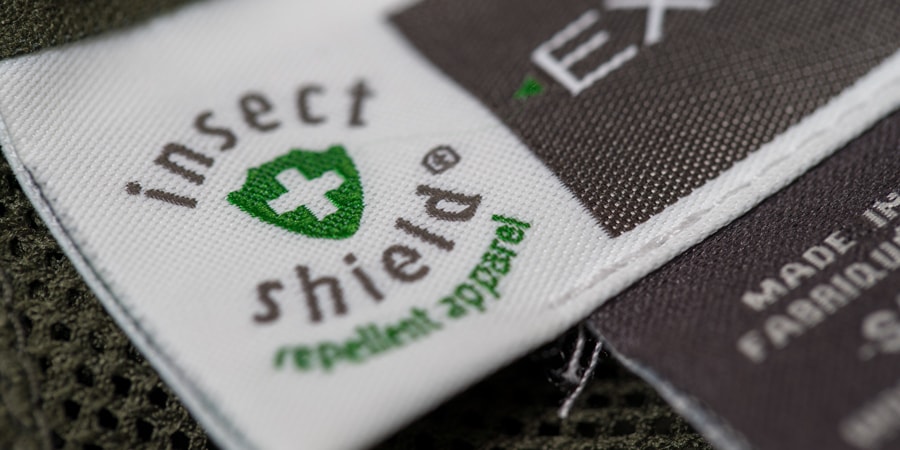
You can treat clothing and gear with sprays containing the insecticide permethrin. “I think those are awesome,” Markowski says. “Now that is an actual pesticide, so you don't want to overdo it.” It will kill any critters that crawl up your shoes or tent, so Markowski especially recommends that anyone spending time in tick country treat their shoes, pants and tent with permethrin. You can also buy insect repellent clothing that comes pretreated with permethrin. Whichever treatment you choose, make sure to wash permethrin-treated clothing separately from your other laundry and follow the instructions. (The repelling effects of permethrin spray usually last for multiple washes.)
Insect repellent devices
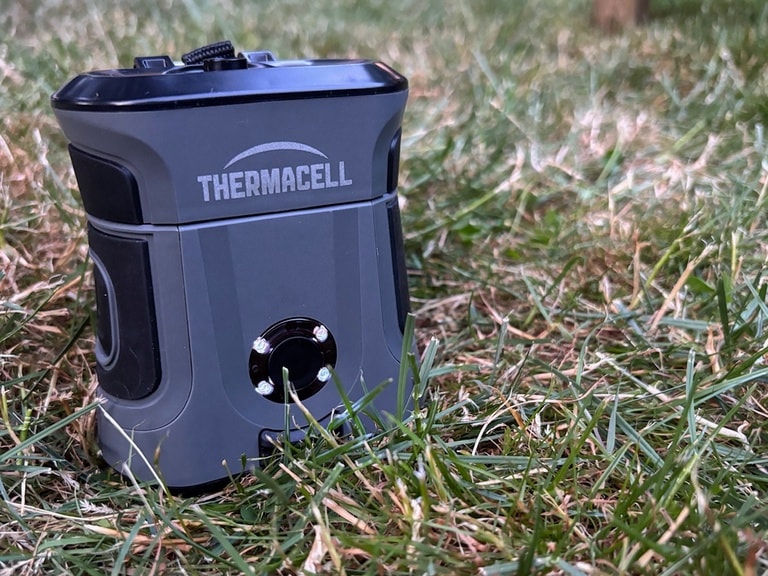
If you’ll be camping or otherwise hanging out in one area like your patio, you may want to set up an airborne insect repellent device to scare bloodsuckers away from your party. These devices generally operate on batteries and work by heating up a repellent cartridge or mat to disperse either allethrin, a synthetic derivative of chrysanthemum plants, or metofluthrin, a synthetic insecticide. This zone of protection generally lasts as long as the device is running, and many require refill cartridges or come with rechargeable batteries.
Both have been approved as safe for humans, but as with any insecticide, you may want to be mindful of excessive exposure. “If it's all day, all night, and it's blowing in your face, I'd probably just stick to a [skin-applied] repellent,” Markowski says. Besides, these devices work best when wind isn’t blowing the repellent away. On a still day, the allethrin or metofluthrin can hang above your immediate surroundings and more effectively keep critters at bay.
Unfortunately, the old standby citronella candle isn’t very effective. As for another well-known device, insect-repelling wristbands? Markowski puts it bluntly: “You don't see 'em 'cause they don't work. They may keep the mosquitoes off of your wrist where the band is, but they don't emanate enough repellent to actually work.”
Mosquito net clothing
You may not earn style points sporting a mosquito head net over your sunhat, but if you’re heading through clouds of aggressive mosquitoes, you definitely won’t care. You can also find mosquito net jackets and pants if you really want to go whole hog (one trip to the Everglades in the summer and you might not find the idea so far-fetched).
Is Bug Spray Safe to Use on Kids?
Most bug sprays are safe to use on children, and EPA-registered products should be labeled with information on approved ages. The CDC recommends using DEET, picaridin, and IR3535 on children 2 months or older, and generally applied sparingly at lower concentrations. Oil of lemon and eucalyptus should be used on children ages 3 and older since it hasn’t been studied on younger children. Markowski suggests lotion or wipe repellents for children since they’re easier to apply without getting in the eyes.
What Insect Repellent Is Best for Sensitive Skin?
Those with sensitive skin may prefer alternatives to DEET. The most effective of these are picaridin, oil of lemon and eucalyptus, and IR3535. Always test products on your skin before heading out so you don’t discover unexpected sensitivities when you’re already in mosquito country. Consult a medical professional for advice.
How to Use Buy Spray
Mosquitoes are attracted by carbon dioxide (exhaled breath), lactic acid, ammonia, phenols, humidity and other human emissions.
Repellents do not actually repel mosquitoes. They create a vapor barrier atop skin and mask or scramble the signals of attraction that humans emit. They make it tougher for mosquitoes to locate their target. Because they act as vapor barriers, repellents are rarely effective when applied underneath clothing.
Tips on Using DEET Repellents
Read and follow all directions and precautions on product label.
- Do not apply over cuts, wounds or irritated skin.
- Do not apply to hands or near eyes and mouth of young children.
- Do not allow young children to apply this product.
- Use just enough repellent to cover exposed skin and/or clothing.
- Do not use under clothing.
- After returning indoors, wash treated skin with soap and water.
- Wash treated clothing before wearing it again.
- Use may cause skin reactions in rare cases.
- When using sprays or aerosols, do not spray in enclosed areas; to apply to face, spray on hands first and then rub on face. Do not spray directly onto face.
- Always follow label instructions on repellent labels.
Frequently Asked Questions
Is DEET or picaridin better?
If you spend time in tick country or anywhere with a particularly high risk of insect-borne disease, DEET is still the safest bet based on volume of efficacy studies. Picaridin, on the other hand, is considered more effective than DEET at repelling flies if they’re of particular concern. Otherwise, your choice is essentially up to preference—you may like picaridin if you’ll use it under normal conditions and don’t want any of the downsides of DEET.
Do natural or plant-based repellents work?
Products containing natural oils haven’t been shown to be effective at repelling insects. But picaridin and oil of lemon and eucalyptus are two options with plant-derived synthetic ingredients that have been proven to work; they're both registered with the EPA.
Is bug spray or lotion better?
Both have their merits. Bug sprays offer quicker on-the-go application and can help you cover hard-to-reach spots, but lotion is a good option when you don’t want to get insect repellent in your eyes—like when applying repellent on your face or a squirmy kid. Some lotion formulations may also last slightly longer than their spray counterparts in the same concentration. Don’t forget to throw a bottle in your pack before you head out the door: The best formulation is one you’ll happily reapply.
Can I use a combination sunscreen-insect repellent?
It’s a good idea to keep your sunscreen and bug spray as separate products, because you should be reapplying sunscreen more frequently than insect repellent.