The adult human body is about 60 percent water, and even light exercise can deplete that percentage, leaving you feeling crummy and interfering with your athletic performance. It's important to hydrate properly, whether you're strolling across town, hiking, biking, skiing, climbing or running. (
Hydration for Runningfocuses on that activity.) This article offers general hydration guidance, including:
- How much water to drink
- How to carry water
- Tips for staying hydrated
- Preventing dehydration
- Preventing overhydration
How Much to Drink
How much you need to drink depends on a number of factors, such as the activity you're doing, intensity level, duration, weather, your age, your sweat rate and your body type. A good general recommendation is about one half-liter of water per hour of moderate activity in moderate temperatures. You may need to increase how much you drink as the temperature and intensity of the activity rise. For example, strenuous hiking in high heat may require that you drink one liter of water or more per hour. As you gain experience, you'll be able to fine-tune how much you drink.
How to Carry Water
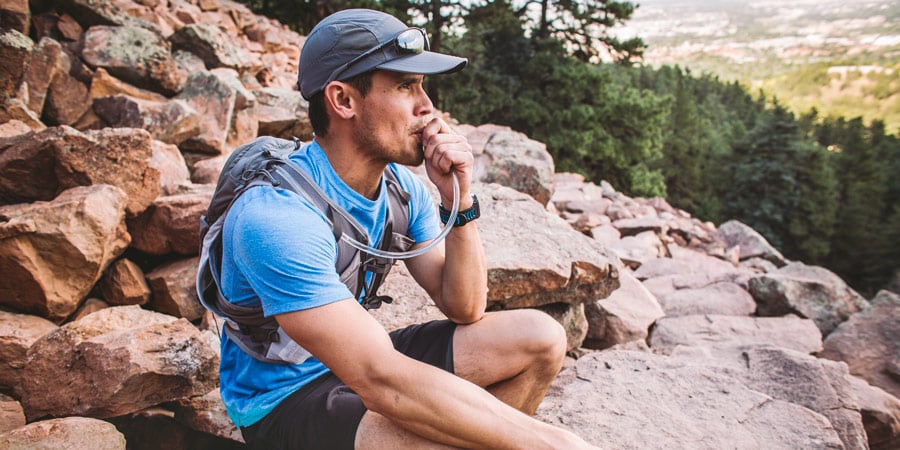
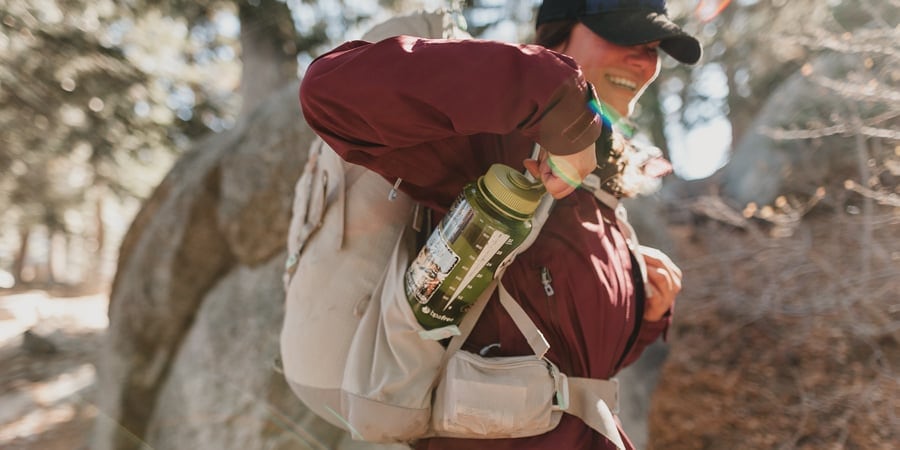
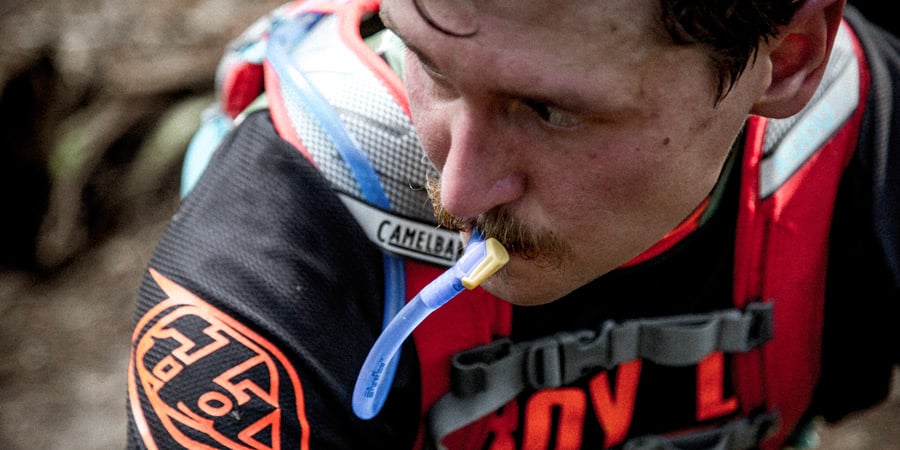
The activity you're doing will likely determine exactly where you stow your water, but the key is to keep it handy. For sports like hiking, backpacking and mountain biking, a pack with a hydration reservoir is an excellent option. If you prefer to use a bottle, stash it somewhere accessible, like a mesh pocket that's on the side of many backpacks. For trail running, consider a handheld water bottle, a hydration waistpack or belt, or a hydration vest.
Hydration Tips
Drink often: Rather than chugging water infrequently, take many smaller sips to continually hydrate.
Don't forget to snack: When you sweat, you lose electrolytes, which can sap your energy. If your activity lasts for only an hour or less, this usually isn't an issue, but when you're out for longer it's important to compensate for the loss. Snack foods with sodium and potassium can help, as will foods with calcium and magnesium. For an extended, high-intensity activity, also consider bringing an electrolyte replacement sports drink.
Drink more at altitude: Doing any activity at higher altitude can lead to dehydration. You're less likely to crave water and feel thirsty at higher elevations, so it's important to drink frequently.
Drink even in cold weather: You may not feel like taking a swig of cold water on a winter day, but it's just as important to stay properly hydrated in cold weather as it is in hot weather. Packing along a hot drink can be a good way to keep yourself hydrated.
Pre-hydration: In most cases, this isn't necessary. For a sustained high-exertion activity, though, consider drinking about 16 fl. oz. two hours before heading out.
Rehydrate: Drinking after exercise gets your fluid levels back to normal and can help with recovery. This can be as simple as drinking a glass of water when you get home, or if you want to get scientific about it, drink 16-24 fl. oz. of water for every pound you lost while exercising.
Plan your route: Water weighs a lot (16 fl. oz. is just over a pound), so if you want to avoid carrying extra weight on a run or bike ride, plan a route that will take you by a water fountain where you can drink or refill a bottle. Another option is to use your car like an aid station and plan an outing that does loops from your vehicle. You can stop at your car to refill a water bottle and grab a quick snack.
In more remote areas, either carry enough water to get you through the duration of your outing, or bring along a water treatment option for refilling from a lake or stream along the route.
Wear sun protection: Getting a sunburn can expedite dehydration, so lather up with sunscreen or wear sun-protection clothing before heading out.
Set a timer: If you tend to lose track of the last time you drank, set a timer on your watch to sound an alarm about every 20 minutes as a reminder to take a sip.
Preventing Dehydration
Dehydration occurs when the loss of body fluids, usually through sweating, exceeds the amount taken in. If you don't counteract this by drinking water, you risk becoming dehydrated. The following signs are a tipoff that your fluid intake is insufficient:
Early signs of dehydration:
- Dry mouth
- Decrease in energy or athletic performance
More serious symptoms of dehydration:
- Cramps
- Headaches
- Nausea
- The "umbles" (stumbling, mumbling, grumbling and fumbling)
- Dark or brightly colored urine with less volume. (Note that certain foods and drinks, like those containing B12 vitamins, can cause urine to be bright yellow, so urine color isn't as reliable as other symptoms.)
The remedy for dehydration is simple: Drink water. Drink the moment you feel thirsty. Try to take frequent sips of water rather than chugging large amounts after your thirst grows intense.
Preventing Overhydration
The flip side to dehydration is overhydration, or hyponatremia. This is a fairly rare condition that mainly affects endurance athletes such as marathon runners, ultrarunners and triathletes.
In hyponatremia, sodium levels in the blood become so diluted that cell function becomes impaired. In very extreme cases, hyponatremia may cause coma and even death.
The symptoms of hyponatremia are similar to dehydration: fatigue, headache and nausea, causing some athletes to mistakenly drink more water and exacerbate the issue.
Preventing overhydration: Drinking compulsively to prevent dehydration can instead lead to hyponatremia. The key to preventing overhydration is to monitor how much you drink.
Don't overdrink: Stick to drinking about 10 fl. oz. about every 20 minutes and try not to drink more than you sweat. Weight gain during exercise is a telltale sign that you're drinking too much.
Maintain a healthy sodium level: Keep your sodium level in balance by eating snacks that contain it or drinking a sports drink with sodium.