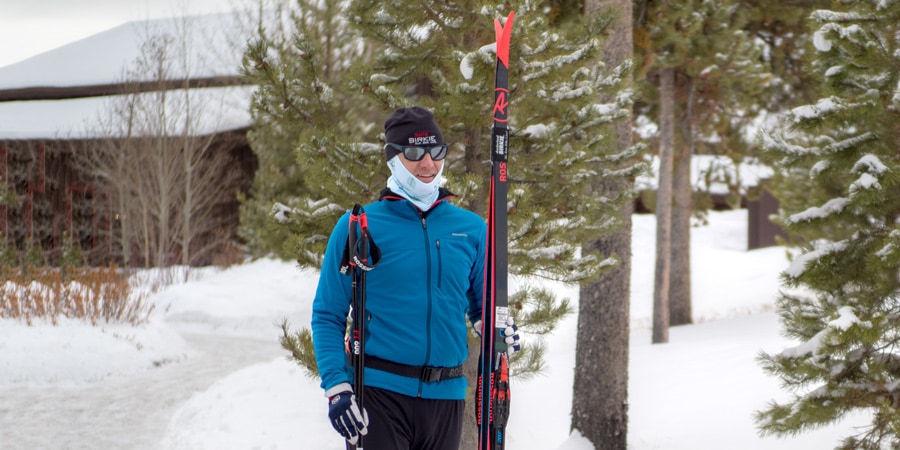
There are two main ways to enjoy cross-country skiing (also known by the umbrella term "Nordic skiing"): You can either classic ski or skate ski. With each one, your heel is always "free" (not connected to the ski as with downhill skiing) and you use your muscles and gear to move yourself forward. But there are some key differences:
- Classic skiing uses a forward and back striding motion that resembles how you walk or run. The familiarity of the motion makes it a logical starting point for new cross-country skiers—many beginners, including families, can enjoy shuffling along on trails even if they've never had skis on before.
- Skate skiing technique resembles that of a speed skater on ice. As you push your skis out to the side, you use the edges of your skis to propel yourself forward. It's a fun and fast activity that many people can learn to enjoy, but it's not usually where beginners start.
The gear for classic skiing and skate skiing differs some, though not dramatically—to the untrained eye it can all appear the same. This article will help you understand the differences so you can get the type of skis, boots, bindings and poles you need to enjoy a day on the trails.
More articles from REI experts: Cross-country Skiing Checklist Cross-country Skiing Tips
How to Choose Cross-Country Skis
To choose the right cross-country skis, first think about where you want to go and what type of skiing you're looking to do, then choose the type of skis that align with that.
Classic Skis
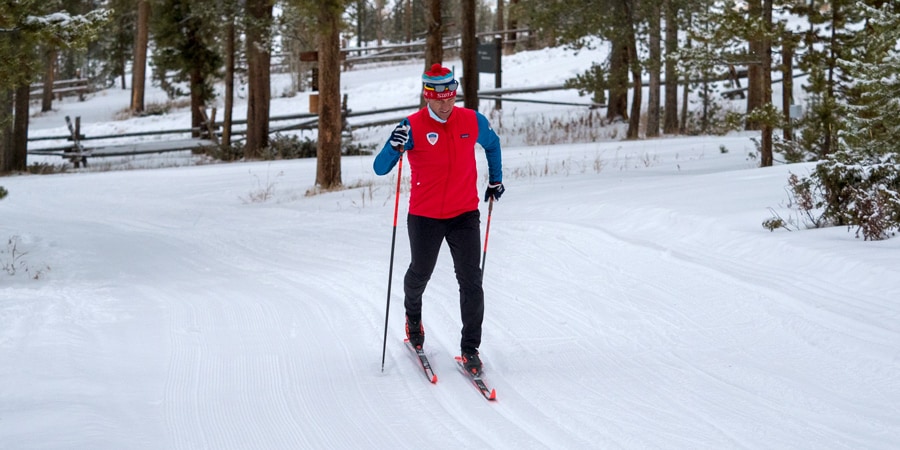
At REI, three types of skis fall into the category of classic skiing:
- Cross-country touring skis are designed for skiing on groomed trails with a forward and back striding motion similar to how you walk or run. The skis are generally long, narrow and lightweight for fast and efficient skiing in groomed tracks. Some cross-country touring skis have a shorter design that makes them a bit easier to turn and control, making them a popular choice among beginners. Cross-country touring skis are a great option for people who want to have a fun time and get some exercise but aren't in it to get a major workout or set a course record.
- Race and performance classic skis are similar to touring skis in that you use them in the groomed tracks, but they're built for faster, more aggressive skiing. Race and performance skis generally have a stiffer flex than touring skis, making them less forgiving and requiring better technique. Even if you're not a racer, these skis are great for people who want to move quickly and get a workout on groomed trails.
- Metal-edge touring skis are made for skiing out-of-track or on steeper terrain. Compared to touring skis, they are typically shorter for better maneuverability and wider for more stability and flotation in deeper snow, and they have metal edges for better grip in icy conditions. Their greater sidecut enhances turning ability on steeper slopes. All these features make them heavier than touring skis but more suitable for out-of-track terrain.
Skate Skis
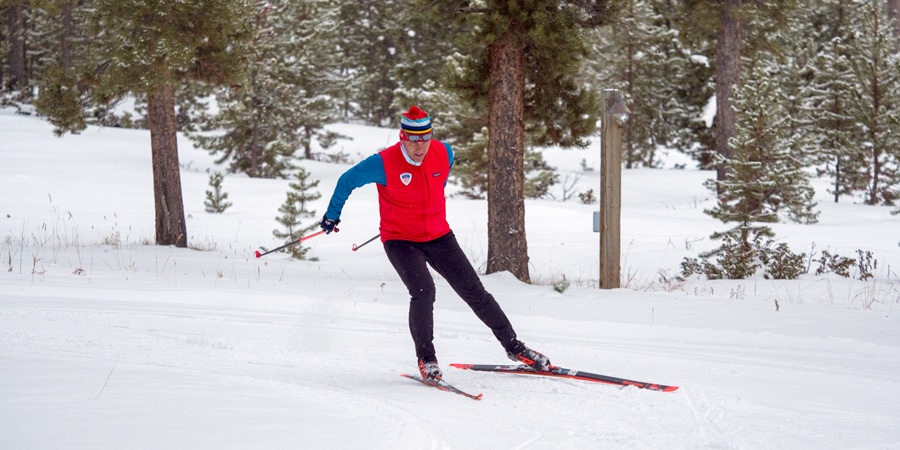
Skate skis are used on groomed trails to ski along similar to how a speed skater moves on ice. The skis are light, skinny and stiff, and they are generally about 10cm shorter than skis for classic skiing. It's worth pointing out that skate skis are not designed for striding as you do while classic skiing.
Getting the Right Cross-Country Ski Size
When your body weight is appropriately matched to the ski length, the skis will support your weight and deliver the optimum combination of grip and glide. If you get skis that are too short, you won't glide like you should. Get skis that are too long and you'll struggle to get good grip.
Because flex, materials and other design characteristics vary, each pair of skis has a specific recommended weight range for each available ski length (ski size). You can find this info in the "recommended weight range" spec on REI.com product pages or in manufacturer size charts. Be wary of using a generic size chart because ski sizing is not standardized between brands, and varies for different models of skis within the same brand.
Adjusting ski length based on skill level: Longer skis tend to be faster than shorter ones. So if you find yourself between sizes, think about your skiing ability. If you've never skied before, then choose the shorter ski size to give you better control and keep your speed down a bit. Experienced skiers usually prefer the longer, faster ski size.
Cross-Country Ski Width and Sidecut

Ski width is typically measured at three locations—the tip (the widest point near the front of the ski), the waist (the narrowest point near the middle of the ski) and the tail (near the back of the ski). The resulting hourglass shape is called the sidecut.
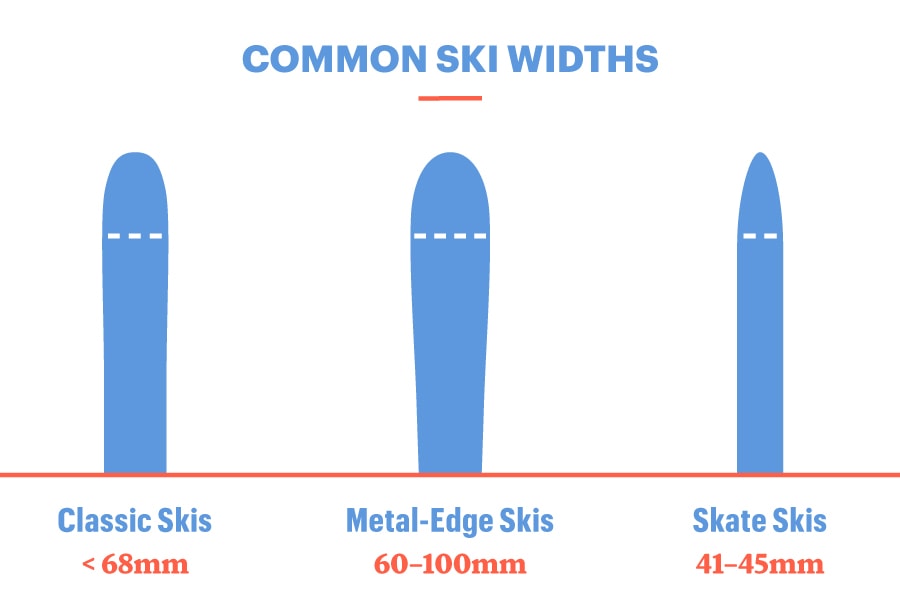
Cross-Country Touring and Race and Performance Classic Skis: If you plan to ski at Nordic ski areas and stay in the groomed tracks, then you will want to find skis no wider than 68mm (the maximum width of ski tracks). The sidecut of the skis should be minimal so the skis glide straight and efficiently. If you're looking at race and performance skis, you'll find most of them are no wider than about 60mm at the widest point and that some are much skinnier than that.
Metal-Edge Touring Skis: If you intend to head off into ungroomed terrain and are looking at metal-edge ski touring skis, you'll likely want skis with more width and a moderate sidecut to facilitate better flotation and easier turning. Many of these skis are, at a minimum, 60mm wide at the widest point. Some can be as wide as 100mm or more.
Some skiers look for skis that they can use for both in- and out-of-track touring and that have metal edges for better control on icy slopes. In this case, look for metal-edge touring skis about 65mm to 68mm wide at the widest point to be sure they will fit in the groomed tracks.
Skate Skis: The narrower a ski is, generally the faster it moves. Skating skis are thus quite narrow when compared to classic skis. Typically ranging from 41mm to 45mm wide, they glide swiftly over packed or groomed snow. Skating skis fit easily into groomed tracks for classic skis, allowing skaters to hop into them and tuck on downhill sections for maximum speed.
Shop cross-country skis on REI.com
Cross-Country Ski Bases: Waxless vs. Waxable
Skis need to grip the snow so you can climb hills and maintain forward momentum on flat terrain. Classic skis achieve their grip in one of two ways: either the bottom of the ski has a manufactured texture pattern or grip wax (aka kick wax) is applied. Skate skis rely on their edges for traction.
Here's a closer look at the differences between the waxless and waxable ski bases found on classics skis:
- Waxless classic skis are the most popular choice because they are convenient and low maintenance, and they provide reliable grip in a variety of snow conditions. They are called waxless because rather than relying on grip wax for traction, they have a manufactured grip zone (aka kick zone) on the bottom. Traditionally this has been a textured pattern that digs into and grips the snow, but some waxless skis now come with a fuzzy strip of climbing skin that's attached to the grip zone. Classic skis with these skins are popular for their ability to strike a good balance between grip and glide. Despite their name, waxless skis perform best when you periodically apply glide wax to the tips and tails.
- Waxable classic skis require a bit more work, but they can outperform waxless models if their grip wax is precisely matched to snow conditions. Waxable skis get their traction from rub-on grip wax that's applied to the middle third of each ski. In consistent temperatures above or below freezing, well-waxed skis will glide better than waxless skis while still providing excellent grip. When temperatures are erratic or right at the freezing point, waxing is difficult and waxless skis are the better choice. Shop ski wax on REI.com Further reading: How to Grip Wax Cross-Country Skis
Cross-Country Ski Camber
Camber refers to the bow of the ski—you can see this easily when you put the ski down on a flat surface. Skate skis are designed with single camber whereas most classic cross-country skis have the more-pronounced double camber.

Single Camber: Skis with single camber have a subtle, gradual arch in the middle. Single camber distributes skier weight more evenly over the entire ski base, which makes it easier to carve smooth turns. On skate skis, single camber makes it easier to push off the skis' edges efficiently. In addition to skate skis, single camber is found on some cross-country touring skis and metal-edge touring skis designed for easier turning. You'll also find single camber on downhill skis and backcountry skis.

Double camber: Classic skis with double camber incorporate a second camber that's important to achieving really good glide while classic skiing on groomed trails. When you equally weight double camber skis, as you would when gliding, the waists of the skis, or "grip zones," will remain arched off the snow to ensure easy glide. But when you shift your weight all to one ski, as you would when striding uphill or on flats, the ski will completely flatten against the snow so that the grip zone contacts the snow for traction.
Cross-Country Ski Flex
Flex describes the stiffness of a ski's camber and can influence speed and turning. Generally, a soft-flexing ski grips better and turns more easily on soft snow and at slow speeds. A stiff flex works best on firm snow and at high speeds. Unless you're a racer, you don't need to be too concerned with ski flex—for most people, purchasing a ski that's appropriate for the type of skiing they want to do will ensure they get the right flex. However, it's something to be aware of when narrowing down your choices, particularly if you're looking at race and performance skis.
How to Choose Cross-Country Ski Boots
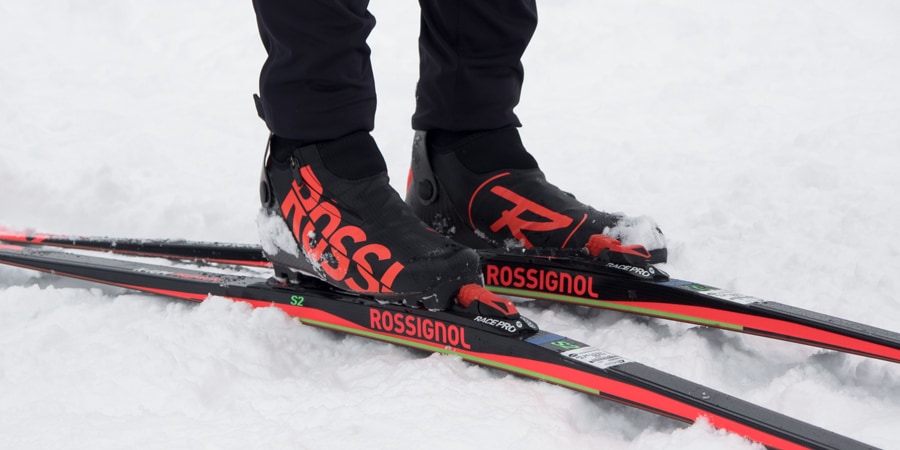
Finding comfortable boots is key to your enjoyment on the slopes. Blisters on your heels or toes that are scrunched can quickly end an otherwise great day. When trying on boots, wear a pair of wool or synthetic ski socks. A good fit means boots are comfortable and hold your feet solidly in place. You should have room to wiggle your toes to keep them warm.
When shopping for cross-country ski boots, it's important to choose boots that match the type of skiing you're doing.
- Boots for cross-country touring: When shopping for boots for touring, look for a combination of flexibility for striding and torsional rigidity for turning and stopping. Some boots have extra features such as lace covers and rings for attaching gaiters. These features can be especially helpful for keeping snow out of the boots if you venture out of the tracks into ungroomed snow. Boots for cross-country touring often emphasize comfort and have a bit more insulation in them than boots for race and performance skiing.
- Boots for race and performance classic skiing: These boots are typically lighter weight than touring boots, and sometimes have lower cuffs for a greater range of motion.
- Boots for metal-edge touring skis: These boots are stiffer to provide greater support for turning. They still have flexibility, but are higher cut, warmer and more durable than general touring boots. Some have a plastic "exoskeleton" for extra rigidity.
- Boots for skate skiing: Skating boots offer more ankle support than those for classic skiing to help protect against the twisting forces involved in the skating technique. They also have stiffer soles to help minimize torsional and forward flex, both of which can hamper skating performance.
- Boots for skate skiing and classic skiing: There are some boots available that are designed for both skate skiing and classic skiing. They are called combi boots and have a blend of features that allow them to perform pretty well for both styles of skiing. If you skate ski and classic ski, buying combi boots can be a great way to save money as you will only need to purchase one pair of boots.
Once you've found the right boots, you can move on to finding compatible bindings. It's worth noting that some skis come with bindings, in which case you need to be sure that when you're shopping for boots you choose ones that are compatible with the bindings already on the skis. You can learn more about compatibility by reading the next section of this article, which discusses bindings.
Shop cross-country ski boots on REI.com
How to Choose Cross-Country Ski Bindings
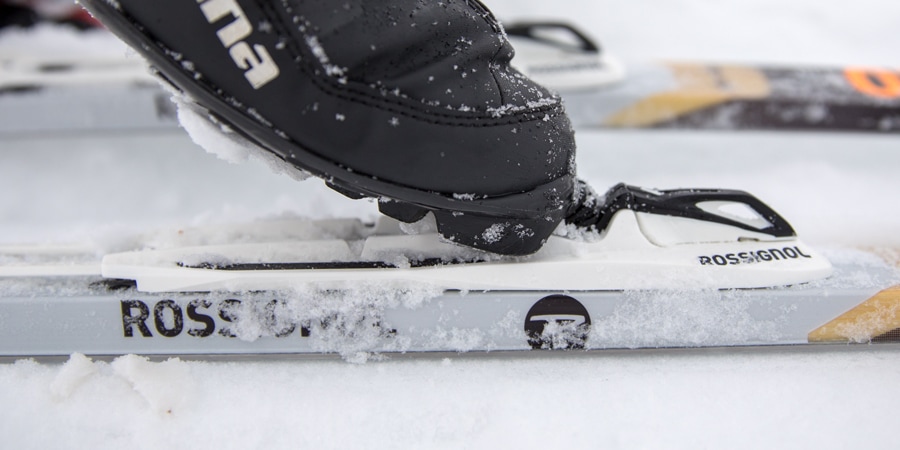
Performance differences between bindings are subtle so let your choice in boots guide what type of bindings you purchase. Boots have different types of soles on them, making them only compatible with specific bindings. Fortunately, this has simplified some in recent years, allowing for more compatibility between multiple types of boots and bindings, but it's still something you need to pay attention to.
Bindings for Skate Skis, Cross-Country Touring Skis and Race and Performance Classic Skis
For many years, New Nordic Norm (NNN) and Salomon Nordic System (SNS) were the two primary binding/boot systems available and they were not compatible with one another. Meaning that if you had boots with NNN soles, you had to get NNN bindings and if you had boots with SNS soles, you had to get SNS bindings. In recent years, this has changed some.
With the release of the Turnamic system, featured on Rossignol and Fischer products, and the ProLink system, featured on Salomon products, there's much more crossover among boots and bindings. Turnamic, ProLink and NNN are all interchangeable with one another.
The chart below will help you understand which bindings are available to you based on the types of soles on your boots.
Boot and Binding Compatibility | |
Boot Sole Type | Compatible Bindings |
NNN | NNN, NNN Nordic Integrated System (NIS), Turnamic, ProLink |
Turnamic | NNN, NNN NIS, Turnamic, ProLink |
ProLink | NNN, NNN NIS, Turnamic, ProLink |
SNS Profil | SNS Profil |
SNS Pilot | SNS Pilot |
As you shop for bindings, you'll become aware of different features that may sway you one way or another. Here are a couple things to be on the lookout for:
- Manual versus automatic: Some cross-country bindings are manual, meaning you bend over to lock your boots to the bindings or to release them. Others are automatic, allowing you to step into them without bending over and to release them with the press of a ski pole. The convenience of automatic is nice and it's a feature many recreational skiers enjoy. But manual bindings typically make a more solid connection with boots and are something serious skiers prefer.
- Binding plates: Some skis come with binding plates installed on them. These offer several advantages, including quick and easy binding installation without drilling and the ability to reposition the bindings forward and back based on things like snow conditions and skiing ability. If your skis have plates on them, you need to buy compatible bindings. For instance, skis with NIS plates on them are designed for NNN NIS bindings. Likewise, skis with Integrated Fixation Plates (IFP) are designed for Turnamic bindings. In some cases, you may be able to put other bindings on binding plates either by drilling through the plates or purchasing adapters, such as the Salomon IFP Adapter Plates that allow ProLink bindings to go on IFP plates.
Bindings for Metal-Edge Touring Skis
These bindings are more rugged and durable than their touring and racing counterparts. They are also wider and therefore generally not appropriate for in-track skiing. Here are your two choices:
- 75mm 3-pin bindings consist of three metal pins that attach to three holes on a tonguelike extension of a ski boot sole. This binding offers reliable support and can be repaired in the field. However, it can be more cumbersome to get in and out of than other styles.
- New Nordic Norm Backcountry (NNN BC) bindings are similar to NNN touring bindings, but are wider, thicker and more durable. NNN BC bindings require boots with NNN BC soles.
Shop cross-country ski bindings on REI.com
How to Choose Cross-Country Ski Poles
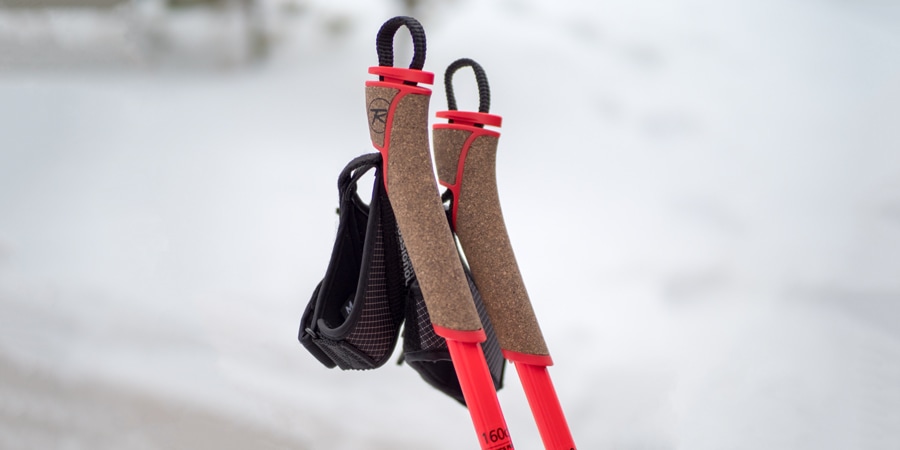
To complete your ski setup, you need a quality pair of poles. As you shop, keep in mind the type of skiing you plan to do and consider things like materials, baskets, straps and length.
Ski Pole Materials
Cross-country ski poles are made from either aluminum or composite.
- Aluminum: The more durable and economical choice, aluminum poles are typically a bit heavier than composite poles. They are usually designed for cross-country touring and metal-edge touring.
- Composite: These poles feature shafts that are made either entirely or partially from carbon. These are lighter and more expensive than aluminum, and often preferred by committed skiers on skate skis or race, and performance classic skis.
Ski Pole Baskets
Poles that pair well with skate skis, cross-country touring skis, and race and performance classic skis will typically have small semicircle baskets—these work well on packed snow, which is where you'll typically be skiing.
If you have metal-edge touring skis and intend to explore deep powder snow, then you'll want poles with bigger baskets that are about 3 inches in diameter.
Pole Straps
Straps on cross-country ski poles range from basic webbing loops to elaborate systems with hook-and-loop fasteners and quick-release mechanisms.
Poles with simple loops are typically intended for either cross-country touring or metal-edge touring. These straps keep the poles with you and, when worn properly, give you something to push off of while poling. To use this strap style correctly, put your hand up through the bottom of the loop and then pull down and grab the grip of the poles. This technique supports your wrists and heels of the hands and allows you to keep your hands relaxed on the grips.
Poles with fancier straps are often meant for skiers who are on skate skis or race and performance classic skis. The straps hug your hands tightly and keep the poles positioned perfectly for efficient poling.
Ski Pole Sizing

For cross-country touring, skiers typically size poles so that they reach from the ground up to their armpits. For race and performance classic skiing, you may want to size them a few centimeters longer. For skate skiing, you go longer even still—the poles should reach from the ground up to a point somewhere between your chin and lips. For metal-edge touring, the proper length of poles really depends on where you intend to go. For flat or gently rolling ungroomed terrain, you'll size them like touring poles. For more rugged terrain, size them shorter. Telescoping poles are a great option for this type of skiing because they allow you to set the length just where you want it and adjust it as you go.
When shopping for poles in a store, simply grab a pair you're interested in and hold them next to you with their tips on the floor to see how they fit. If you're shopping online, this chart will give you a general idea for how long poles for classic skiing and skate skiing should be:
Recommended Ski Pole Length by Height | ||
Skier Height | Recommended Ski Pole Length -Classic | Recommended Ski Pole Length - Skate |
Less than 4'7" | 110cm | 120cm |
4'8" - 4'9" | 115cm | 125cm |
4'10" - 4'11" | 120cm | 130cm |
5' - 5'1" | 125cm | 135cm |
5'2" - 5'3" | 130cm | 140cm |
5'4" - 5'5" | 135cm | 145cm |
5'6" - 5'7" | 140cm | 150cm |
5'8" - 5'9" | 145cm | 155cm |
5-10" - 5'11" | 150cm | 160cm |
6' - 6'1" | 155cm | 165cm |
6'2" - 6'3" | 160cm | 170cm |
6'4 - 6'5" | 165cm | 175cm |
6'6" + | 170cm | 180cm |
Shop cross-country ski poles on REI.com