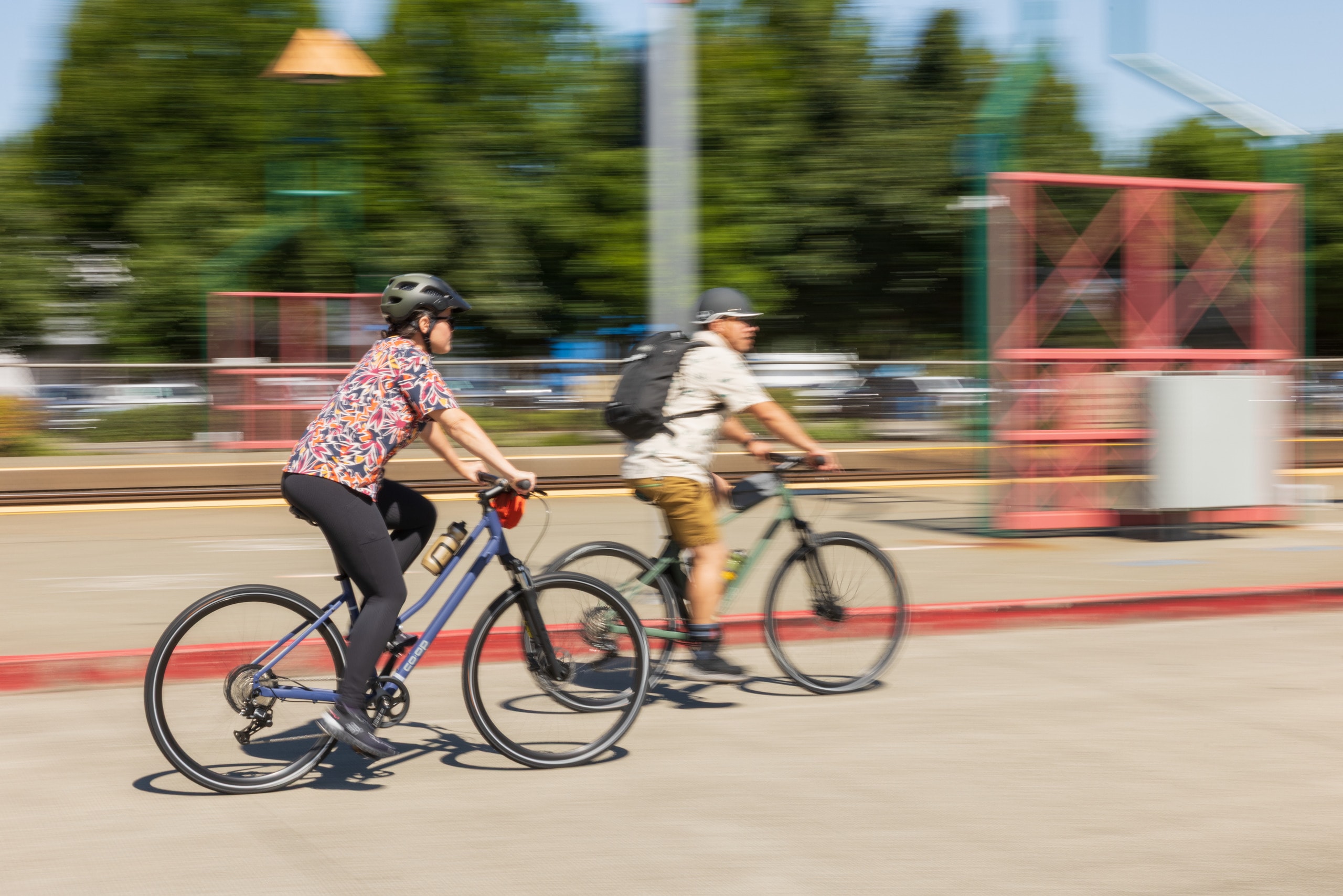
Looking for a new bike? Sometimes the jargon can be a little intimidating. The good news is that you don't have to become fluent in bike speak to decide which bike is best for your two-wheeled adventures. We break down things to consider when choosing a bike.
The bike-buying process can be boiled down to three basic steps:
- What type of bike should you get? The right bike for you will depend on where and how you plan to ride. Start by asking yourself where you plan to ride: on streets, bike paths, unpaved roads and trails or some combination of those places? We give you a rundown of bike categories below to help you narrow your choices.
- How much do you want to spend on a bike? Bikes within a given category and price range generally have similar types of components. But expect to pay more for higher-performance components or frame materials such as carbon.
- How should the bike fit? Bikes come in a range of sizes, so start by finding the right frame size based on your height. Read more about Bike Fitting Basics. Cycle shops (like REI Co-op's) can help you fine-tune fit issues that arise after that.
Video: How to Choose a Bike
What Type of Bike Should I Get?

Start by asking yourself where you plan to ride: on streets, bike paths, unpaved roads and trails or some combination of those places? Below is a simple chart with basic bike category options based on the surface(s) each is built for:
Bike Types by Riding Surfaces
Riding Surfaces | Bike Types |
|---|---|
Paved roads and bike paths | Cruiser bikes, cargo bikes, folding bikes, hybrid bikes, road bikes, electric bikes |
Pavement (from pristine to potholed) and natural surfaces | |
All-road riding (from asphalt to outback) | |
Dirt roads and trails |
Pretty much any bike can handle pavement, of course, and many bikes can be ridden on multiple surfaces. Narrow your choice based on where you expect to do the majority of your riding. You can also check out the more thorough rundown of bike categories below.
Types of Bikes
Below is a rundown of the different types of bikes to help you narrow your choices.
Electric Bikes
Many bike types now include electric options, so take a few minutes to decide if an e-bike makes sense for you. Generally, an e-bike with a pedal-assist motor will greatly expand your riding possibilities. While these bikes come with a higher price tag, they allow you to zip up hills with less effort, as well as ride farther and faster.
Further reading: Intro to Electric Bikes and Intro to Electric Mountain Bikes.
Gravel bikes
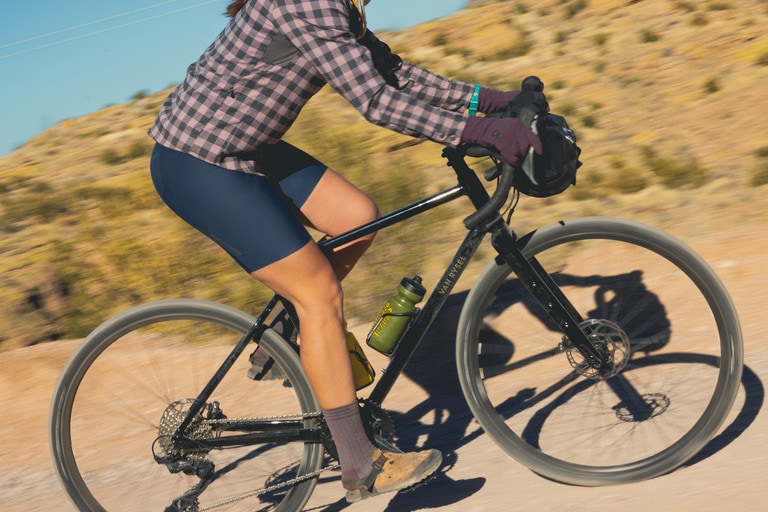
Because cyclists have always pushed the envelope on where they can ride, multi-surface bikes have been a thing for years. Hybrid bikes (discussed below) are one option. Gravel bikes are an ideal choice, though, if you're itching to go a little faster and farther. Descended from cyclocross (now a class of elite all-terrain racing bikes), gravel bikes feature a drop handlebar for aerodynamic efficiency, along with wider tires for a forgiving ride and traction on terrain ranging from asphalt to gravel to dirt.
Further reading: How to Choose a Gravel Bike
Mountain Bikes

Designed with shock-absorbing features and sturdy builds, mountain bikes can handle dirt trails and the rocks, roots, bumps and ruts that make them so fun. Mountain bikes have lower gears than road bikes so you can ride up steeper terrain.
Two frequently used terms are "full suspension," meaning a bike has both front and rear suspension, and "hardtail," meaning a bike has only a suspension fork. Full-suspension models tend to be more expensive, but they offer better traction and a more comfortable ride. They can also handle more varied terrain.
Shop mountain bikes on REI.com
Further reading: How to Choose Mountain Bikes
Mountain bikes come in the following styles, including several electric-bike mountain bikes:
Cross-country bikes: Lightweight and responsive, this style of mountain bike originated in the racing world, so it delivers both riding speed and climbing prowess. It's a good choice if you want to ride off road on your fitness rides or if you want a nimbler bike for less technical local trails.
Shop cross-country mountain bikes on REI.com
Trail bikes: This is the style most new mountain bikers will get. If social trail riding with friends on beginner-friendly trails and dirt roads is your goal, then this is your bike. Bikes in this category place equal emphasis on fun and efficiency.
All-mountain bikes: These bikes are a good option as you progress to riding on more technical terrain. All-mountain bikes are well-rounded performers: joyful on steep and flowing descents, while also being capable climbers. Their geometry balances the need for both uphill power and downhill stability, so all-mountain bikes can handle a variety of technical features along the trail.
Shop all-mountain bikes on REI.com
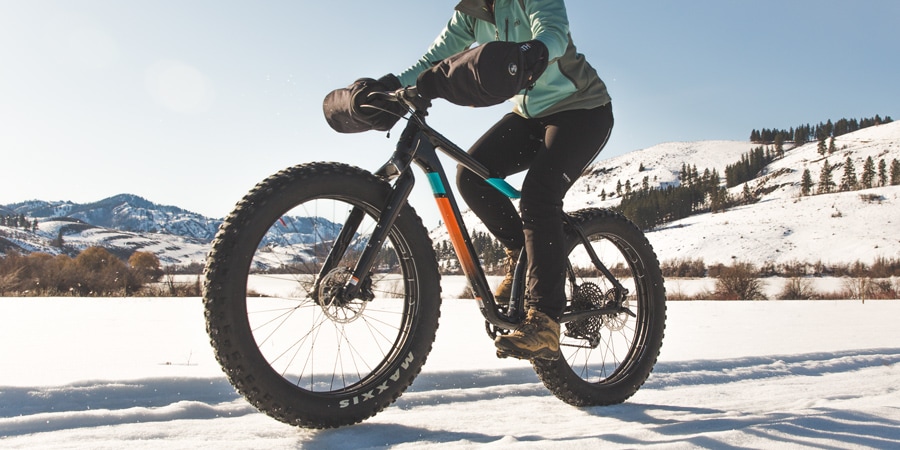
Fat-tire bikes: Recognizable because of their oversize tires, these bikes offer outsize traction that makes it possible for you to ride them on sand or snow. The ultra-wide tires are also reassuringly forgiving on all sorts of rough terrain.
Shop fat-tire bikes on REI.com
Hybrid Bikes

If you want something that performs well on the street but can also handle some unpaved terrain, this is your bike. You might also see hybrid bikes referred to as "fitness bikes" because their comfort and versatility appeal to riders motivated primarily by the exercise benefits of riding. Hybrid bikes generally have a more upright riding position than their road bike counterparts. Most have large-diameter road wheels for speed, paired with wider tires for off-road traction.
A tipoff to whether a bike is more for street riding is the absence of suspension. Hybrid bikes with front suspension are a good choice if you plan to spend more time off road—the tradeoff is a bit more weight and a little less speed in exchange for a cushier ride.
Further reading: How to Choose Hybrid Bikes
Road Bikes
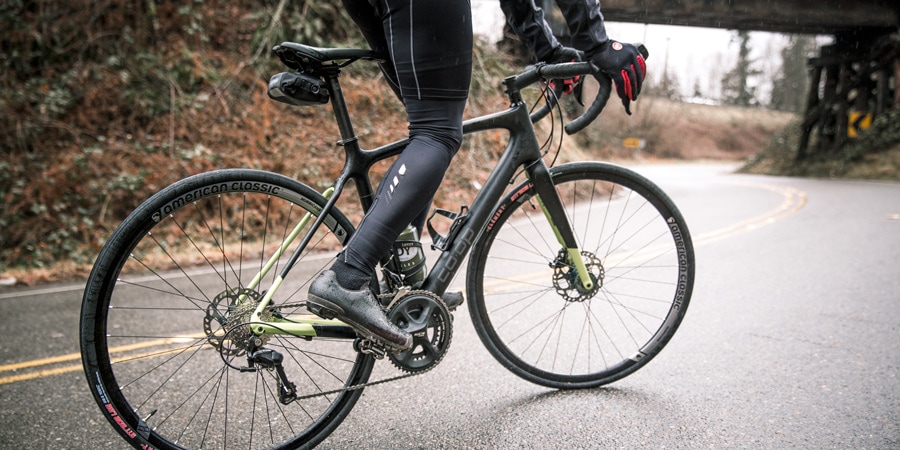
Road bikes are good for fitness riding, commuting, event rides, touring and racing. Most have a drop-bar handlebar (curling down and toward the rear of the bike), which puts the rider in an aerodynamic position. This bent-forward riding posture can take a little getting used to.
Further reading: How to Choose Road Bikes.
Specialty Bikes
You can also choose a bike that doesn't fit neatly into one of the other broad categories above:
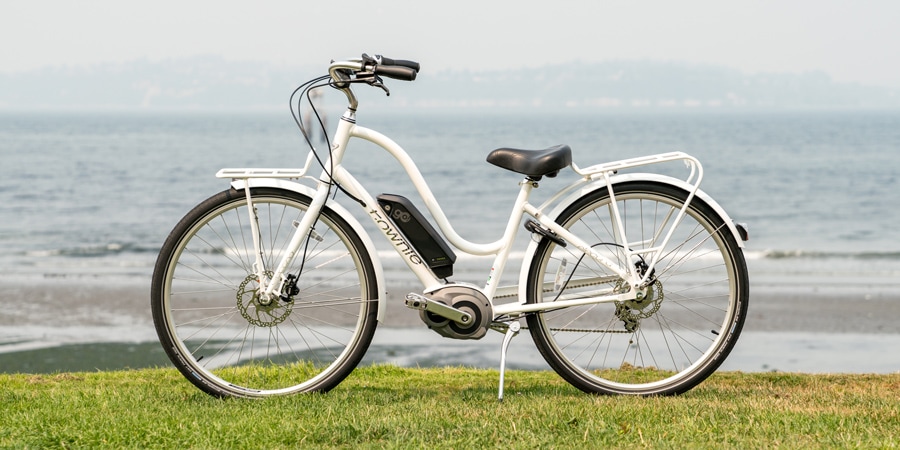
Cruiser bikes: Cruiser bikes are built for leisurely rides around your neighborhood or vacation home. Cruiser bikes feature wider tires for traction and cushioning, a comfortable seat and a relaxed sitting position. They're fun for short rides on flat, paved surfaces.
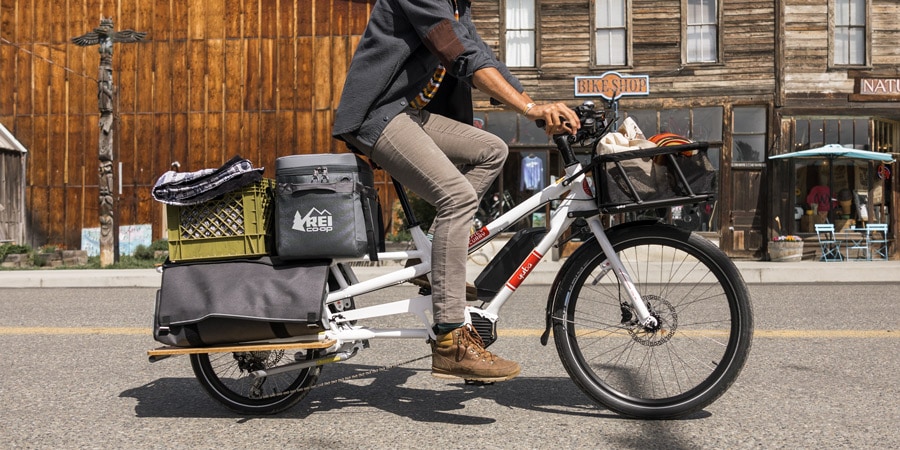
Cargo bikes: Featuring beefy builds so you can haul lots of gear and handle tons of weight, cargo bikes are ideal for running errands and transporting kids. Neither speedy nor nimble, these are highly utilitarian bikes.
Further reading: How to Use a Cargo Bike
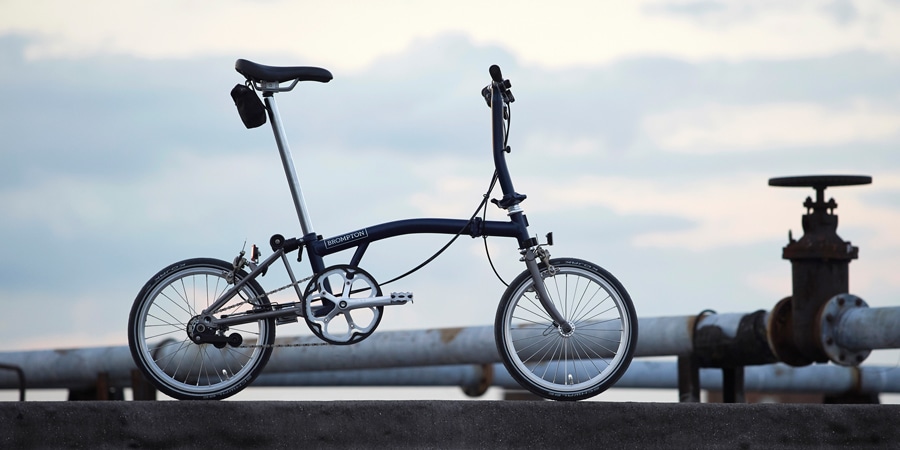
Folding bikes: These bikes can be folded up and placed in a carrying bag, which makes them handy for commuters with limited storage space at home or the office. Lightweight, strong and able to be folded up quickly, they're also a good choice if you want to travel with your bike.
Factor in Performance and Cost
You don't have to analyze each technical component on a bike, but certain features and premium components can add to the price. When looking for a bike within your budget, keep in mind the following factors that can cost more:
- Full suspension, hardtail or no suspension: Full-suspension bikes (front and rear shocks) generally cost more, but also offer a smoother ride and the ability to take on the most rugged trails. Hardtails (front suspension only) still absorb bumps, but do so for a little less. Further reading: Bike Suspension Basics
- Carbon vs. aluminum: Lightweight carbon frames offer premium performance and ride quality—they also mean a leap in price. In contrast, aluminum-frame bikes can be found at every price point. Further reading: Understanding Bike Frame Materials
- Going electric: Electric bikes expand the riding horizons for all riders. Further reading: Intro to Electric Bikes
- Component quality: A bike's components—essentially all the major systems other than the frame and wheels—are usually part of a tiered group. As you move up to a higher price in a bike category, the corresponding component group will be more responsively tuned and add to the overall cost of your bike.
Gearing
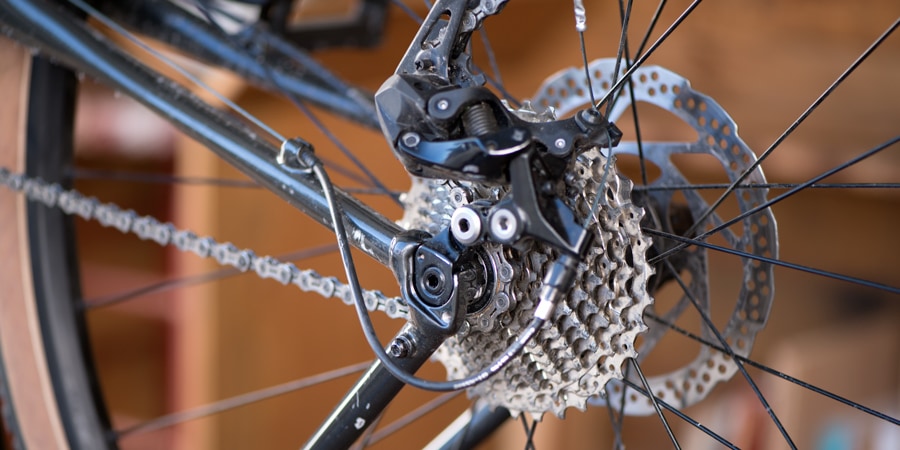
Bikes vary in the number of gears, the range of the gears (lower gears make it easier to pedal) and the available gear ratios. Generally, most models in a given bike category will have similar gearing. That means it's not something you have to think about unless you really want to.
Further reading: How to Use Bike Gears
Wheel Size
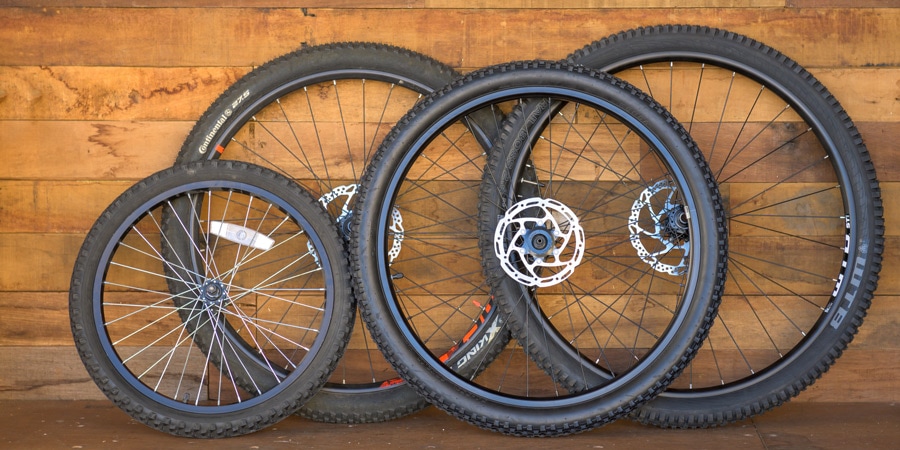
Wheel size is another bike feature that's largely predetermined by the bike category you choose, with one big exception: Most mountain bikes come with either 29" wheels or 27.5" wheels. From a cost standpoint, the difference isn't significant. So your choice is largely a matter of performance nuances.
Further reading: 27.5 vs. 29er: Which Mountain Bike Is Right for Me?
Brake Type
In years past, rim brakes were the norm and disc brakes were the exception. Disc brakes have always offered superior braking power in all conditions, though, and they now dominate the market because the cost of disc brake technology has come down over the years.
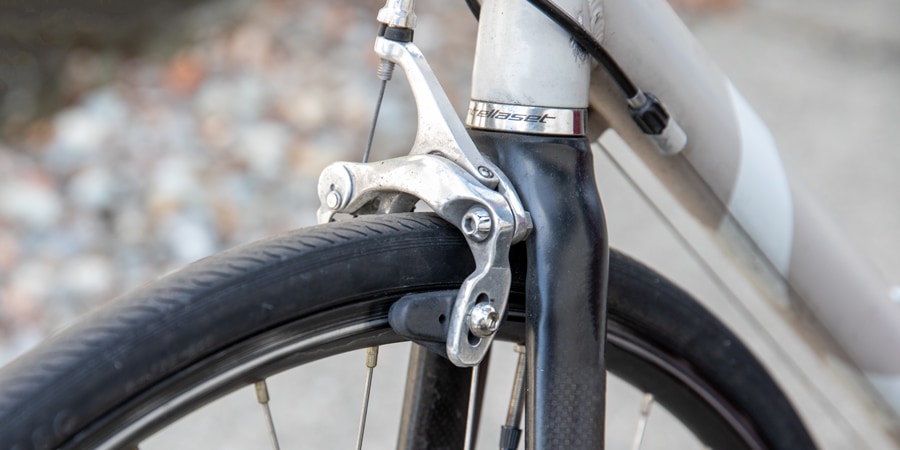
Rim brakes, which work by squeezing the brake pads against the sides of the wheel rims, are still an economical option. They make it easy to check brake pad wear and to replace worn pads.
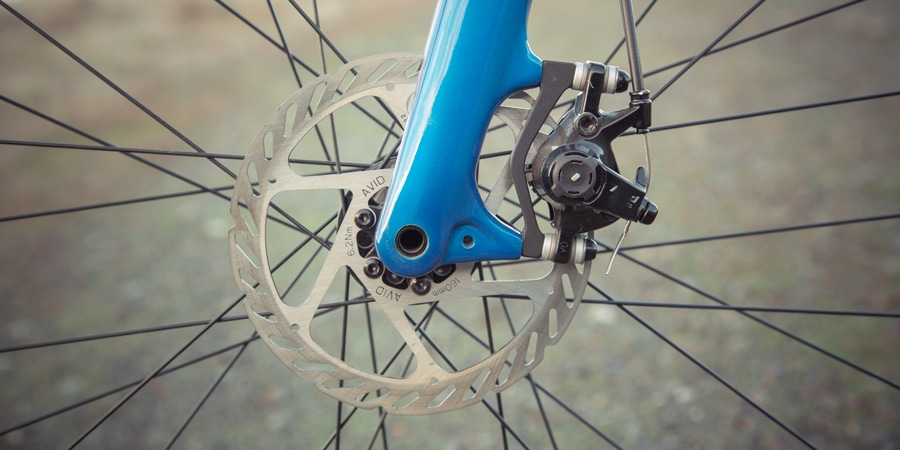
Disc Brakes, which feature brake pads that grip onto a brake rotor mounted to the wheel hub, come in two versions:
- Hydraulic disc brakes offer more progressive and stronger braking with less finger effort, and they self-adjust for brake pad wear.
- Mechanical disc brakes need manual adjusting as the pads wear.
Further reading: What's the Difference Between Rim Brakes and Disc Brakes?
Bike Size and Fit
Getting the right frame size is the first step. Fortunately, most bike manufacturers have size charts that list your frame size based on your height. The most important aspects of bike fit, standover height (the distance between your body and the top tube when you straddle the bike) and reach (the distance from seat to handlebar) can then be fine-tuned with some minor adjustments.
To learn more about how to fit a bike, as well as how to do adjustments at home, read Bike Fitting Basics and Mountain Bike Fitting Basics. Beyond getting the correct frame size, you'll also need to fuss with nuances like seat height.
REI Co-op stores and other cycling specialty shops will also adjust your bike's fit, either during a test ride or after you buy a bike. Tell them about any discomfort and they'll happily address your fit issues. Note, though, that you need to give your body several weeks to get accustomed to your new ride. It's a little bit like breaking in a new pair of heavy-duty hiking boots.