www.rei.com
Search REI.com
Shopping Cart
REI.comREI-OUTLET.comREI AdventuresStores & EventsGift RegistryGet Out There
Home|Shop All Categories|Shipping Info|Help|Contact Us|
1-800-426-4840
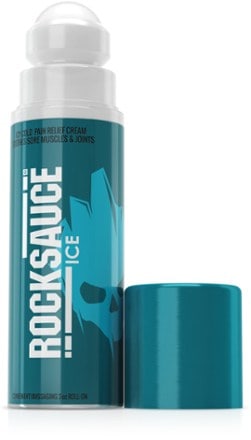
All Terrain Recovery Rub Pain Relief Cream - 3 oz. - None
noneZoomZoom image

All Terrain Recovery Rub Pain Relief Cream - 3 oz.

$9.95

1.

2. Qty

3.

All Terrain Recovery Rub™ quickly relieves pain in joints and muscles using all-natural ingredients.

  • Cool, deep-penetrating rub is also effective on arthritis symptoms
  • Recovery Rub is also good for loosening up muscles prior to physical activity
  • Active ingredient: Menthol (5%)

Imported.

Item 768974

Specification

Description

Weight3 fluid ounces


How to Choose First-Aid Kits


Whether you're day hiking or undertaking an extended backcountry adventure, always equip yourself with a first-aid kit. Minor scrapes, cuts, a bee sting or a headache can happen anywhere, anytime. It pays to be prepared.

Expert Advice Image
Expert Advice Image
Expert Advice Image
Quick Read
  1. Pre-assembled kits are convenient for beginning backpackers.
  2. Always carry basic supplies on trips of any length; adapt your kit for more demanding trips.
  3. Understand basic first-aid principles; always carry a manual.

Pre-Assembled First-Aid Kits

Most beginning backpackers select pre-assembled first-aid kits as a matter of convenience rather than building their own. It's an easy way to make sure you have not forgotten any of the basics.

Most kits are packed compact, water-resistant pouches that can be refilled and reused.

First-Aid Basics

Whether you're choosing a pre-assembled kit or building your own, make sure you carry the supplies that match your trip plans. Think about:

  • the number of people participating
  • your trip’s duration
  • the strenuousness and potential dangers inherent in your route
  • the distance you must travel to reach medical assistance

The Essentials
Every first-aid kit should include:

  • A manual:a comprehensive, easy-to-follow first-aid instruction booklet that clearly explains how to handle basic problems
  • Basic bandages:assorted adhesive bandages, athletic tape and moleskin
  • Basic drugs/lotions:aspirin, antiseptic, antacid tablets, sunscreen and any prescription medicines
  • Basic first-aid tools:tweezers, a small mirror, razor blade or knife
  • Miscellaneous items:bee-sting kit, venom-extraction pump (if visiting rattlesnake territory), handy wipes, plastic gloves and eye pads

The Extras
For long trips and difficult routes, you may wish to include a larger selection of items such as:

  • Additional bandages:gauze pads, ace bandages and butterfly bandages
  • Additional drugs/lotions:burn ointment and Caladryl (for relief of skin irritations)
  • Additional first-aid tools:sling, basic splint, forceps, instant ice pack and thermometer

Additional items depend on your specific needs.

Know Basic First Aid

A fully stocked first-aid kit is useless unless you know how to use the supplies inside. Make sure you know basic wilderness first aid before you leave home. Check with your local community center or hospital and sign up for a first-aid class. REI offers books on the subject. Update your skills from time to time so you don't forget important procedures.

We wish you safe and enjoyable backpacking adventures.

Backcountry Health Topics


This brief list of common outdoor health problems, preventative measures and possible remedies is intended to help you stay healthy while you explore the backcountry.

Sunburn

Sunburn, caused when our skin is exposed to too much of the sun's ultraviolet light, is the most common problem experienced by backpackers.

  • Prevention: All wilderness travelers, regardless of skin color, should wear sunscreen with an SPF (sun protection factor) of at least 15. The American Academy of Dermatology and the Skin Cancer Foundation recommend an application of sunscreen every two hours, even on cloudy days. The groups also offer these tips:

  • First-Aid Kits
    • Within the continental United States, minimize your exposure to the sun between 10 a.m. and 4 p.m. Potential for skin damage is greatest at noon (or 1 p.m. during daylight savings time). At these peak-intensity hours, a fair-skinned person could suffer skin damage in less than 15 minutes.

    • Always shade your head, neck, ears and eyes, particularly at high elevations, where a thinner atmosphere allows more UV rays to reach your skin. Sand, brightly colored clothing and snow can all intensify the sun's impact. Some outdoor clothing comes with SPF ratings. Fabrics with tighter weaves help keep the sun off your skin.

    • Lenses of sunglasses should block both UVA and UVB rays. Examine product information tags or spec sheets to verify that the lenses offer this protection.

    • Check with your doctor to determine if any medications you are taking increase your susceptibility to sunburn.

  • Remedy—If you do get burned, soothe damaged areas with an aloe-based skin cream, and keep them covered for the remainder of your trip (either with clothing or with a strong sunscreen) to avoid further damage. If sunburn is serious and you experience persistent nausea, chills or fever, seek professional medical attention.

Blisters

One little blister, the product of friction that rubs skin back and forth in a concentrated area, can ruin an otherwise wonderful backpacking journey.

  • Prevention—Blisters are easier to avoid than they are to fix. Make sure you start every backpacking trip with footwear that is broken in and fits you well. Also wear clean, properly sized socks. Consider wearing two pairs of socks—a lightweight wicking liner and a thicker cushioning sock—to lessen the chance of abrasion.

    Tip:On the trail, address foot discomfort as soon as it develops. A quick response can often stop a blister before it becomes serious. At the first sign of irritation, put a small patch of protective material—moleskin, 2nd Skin or even duct tape—over the affected area to minimize abrasion.

  • Remedy—If you're undertaking your first backpacking season and know you are prone to blisters, consider applying moleskin to your typical "blister zone" before you hit the trail.

    If a blister develops and walking becomes too painful, you could drain the blister by lancing it along its base with a clean razor blade or knife. Once this is done, sooth the area with some antibacterial ointment, then cover it with a patch of 2nd Skin (or similar product) plus a small adhesive bandage to keep the blistered area clean.

    If the area is still sensitive, cut a doughnut-shaped cushioning patch out of Molefoam or duct tape and encircle the injured area. You may need to bulk up your circular pad with a number of layers to hold your sock and boot out away from the damaged area. This cushion will protect the area from further damage.

General Aches and Pains

General aches and pains (sore muscles, headaches, joint pain) are a common factor of many beginning backpacking trips.

  • Prevention—After a modest warm-up (say, 10 minutes of walking), take time to stretch. Stretch after your hike, too. Your muscles and joints will thank you.

    Tip:Don't attempt to exceed your physical limits early in your hiking season.

  • Remedy—Most muscle aches can be fixed with a little rest and gentle massage. For headaches, take a couple of pain reliever tablets—aspirin, ibuprofen or acetaminophen—and a short rest. Joint pain is typically caused by overuse, though it can be the result of twists or unusual compressions. Again, rest is usually the best remedy. Elevating the sore joint might help alleviate pain. Taking glucosamine, a cartilage-repairing nutritional supplement, can also help joint pain and expand your range of motion. To learn more about glucosamine, read How to Choose Nutritional Supplements.

Poison Ivy, Oak, Sumac

Wherever you travel, you may run into troublesome plants.

  • Prevention—Learn how to recognize the dangerous plants that are common in the area you'll be exploring. Remember that poison oak and ivy leaves grow in clusters of three, so if you see "leaves of three, let it be." Be wary of touching anything foreign to you. Keep in mind that the oily rash-causing resin found in poison oak and ivy, urushiol, remains present in the plants even during dormant winter months. Contact with a leafless stem in January can still spawn an itchy rash. Pre-exposure lotion can be helpful. If traveling in unfamiliar territory, consider carrying a lightweight, compact field guide to help you recognize plants.

  • Remedy—Carry a small supply of hydrocortisone cream or another soothing, anti-inflammatory lotion to lessen the discomfort caused by skin irritations. Fluid from a rash-induced blister will not spread the rash. However, if the resin is not cleaned from clothing, boots, skin or tools, you can re-infect yourself or another person. It's the resin, not the rash, that spreads infection. A good first-aid manual will provide other useful tips on limiting the spread of the rash.

Biting Insects

Mosquitoes, flies and other biting insects are an unavoidable part of many backpacking trips. Happily, bug bites are usually more of a nuisance than a health hazard.

  • Prevention—The easiest way to deal with bug bites is to avoid them altogether. This means identifying and avoiding the worst locations and times of year for bugs. It also means packing the right kinds of clothing (light-colored long-sleeve shirts, long pants, bug shirts, bug-net hats and so on) and using some form of topical repellent if necessary.

    DEET-based products are effective, though natural alternatives are available for individuals who prefer to avoid synthetic chemicals. DEET is not recommended for pregnant women or small children, especially those less than 1 year old. DEET will not hurt cotton, wool or nylon, but it can damage plastics, synthetic fabrics, furniture, walls, watch crystals, and eyeglass frames.

  • Remedy—First-aid products like After Bite help relieve the swelling and itching caused by bug bites.

    Tip:Some people are allergic to certain insect stings. If you are, protect yourself by avoiding risky situations as much as possible and by carrying whatever medicines you need to counteract the reactions. Make sure everyone in your backpacking group knows about your allergy and what to do if you get stung/bit.

Stinging Insects

Bees, wasps, hornets and yellow jackets are additional winged threats a backpacker may encounter.

  • Prevention—If you come upon a beehive or wasps' nest, leave the area quickly and quietly. In campgrounds, avoid brightly colored clothing, shiny jewelry or belt buckles, and scented cosmetics. If you or someone in your group is allergic to bee or wasp stings, make sure to visit a health care professional for preventative injections.

  • Remedy—For a normal reaction to a sting (itching, redness and slight swelling) the following first-aid items may be useful: ice, baking soda, oral antihistamines (such as Chlortrimeton and Dimetane), epinephrine inhaler (such as Primatene), topical steroids (such as Cortaid or Lanacort), and local anesthetics (such as Benzocaine, Lanacaine or Solarcaine).

Ticks

Not all ticks transmit Lyme disease. Check with rangers about potential danger before you explore an area unfamiliar to you.

  • Prevention—Lyme disease is one of a number of potentially serious conditions that can be passed to humans through tick bites. The best way to avoid trouble is to avoid bites altogether by avoiding areas where ticks are prevalent and by checking your hair and skin for ticks frequently. Permethrin-based insect repellents can be applied to clothing to repel or kill some ticks.

  • Remedy—If a tick is discovered, remove it immediately by pinching the skin just below the head of the tick with tweezers and lifting the tick straight up and out. You may lose a small piece of skin in the process. Be careful not to squeeze the tick body or twist it during removal, since this may cause the tick to regurgitate more bacteria into the wound. For similar reasons, burning or covering a tick in cooking oil is not recommended as a method of removal.

Snakebites

While many snakes are harmless, some have potentially lethal bites.

  • Prevention—Avoid areas prone to snakes. Check your trail guide or ask a local forest ranger or guide. Stay in well-groomed, open areas. Watch where you're going and listen. If you see a snake, don't antagonize it.

  • Remedy—If bitten by a snake such as a rattlesnake (a pit viper), first back away from the snake. Calm yourself or the person bitten. Rinse the wound. Apply a mechanical extractor pump for three minutes following the bite. Make no additional incisions. Mark the time so you can check the progress of swelling. Remove jewelry. Get to the hospital as quickly as possible for an anti-venom serum. Try to identify the offending snake to help medical personnel.

Hantavirus

Hantavirus is spread by the droppings and saliva of contaminated rodents, particularly the deer mouse, cotton rat, rice rat and the white-footed mouse. Hantavirus, a relatively new backcountry malady, can cause severe sickness and even death. Early symptoms include fatigue, fever, muscle aches and headaches. Severe coughing and shortness of breath may follow in four to 10 days.

  • Prevention—Stay away from any areas with excessive rodent activity: barns, old cabins, or dusty, enclosed trail shelters. If you see any rodent droppings, cover your mouth and leave. Don't attempt to sweep an area where rodents have left droppings. The disease can be carried in the dust.

  • Remedy—If you suspect that you or someone in your party has been infected with hantavirus, seek professional health care immediately. Treatment usually includes antibiotics, oxygen and other treatments for respiratory problems.

Altitude Illness

Altitude illness is a state of unease a wilderness explorer feels when traveling at high elevations. Traditionally, 10,000 feet is regarded as the height where altitude symptoms—a sluggish sensation often accompanied by a headache—kick in for most people, but they can afflict others as low as 6,000 feet. Acute cases of this illness can be debilitating, even fatal.

  • Prevention—Avoid abruptly changing elevations from one day to the next. If you're spending your pre-hike day in a low-lying valley, you could be asking for trouble if you take aim at a 9,000-foot pass the next day. It is better to acclimatize, meaning you gain elevation gradually, or you camp at a high elevation for a day or two before undertaking your hike. A general rule: Ascend no more than 1,000 feet per day.

  • Remedy—Descend. If you sense the symptoms are overtaking you, seek out lower elevation quickly before your condition deteriorates and you are unable to walk unassisted. Aspirin can be beneficial for any head pain you experience.

Overnight Backpacking Checklist


(Choose items that match your trip plans and the expected weather conditions)

The 10+ Essentials
Expert Advice Image Extra clothing layer(s) Expert Advice Image Map of area (in waterproof case)
Expert Advice Image Drinking water Expert Advice Image Compass
Expert Advice Image Food Expert Advice Image Headlamp or flashlight (with extra batteries/ bulbs)
Expert Advice Image First-aid kit Expert Advice Image Sunglasses (with retaining strap)
Expert Advice Image Pocket knife Expert Advice Image Sunscreen
Expert Advice Image Matches (in waterproof container) and firestarter

Hiking Clothing
Expert Advice Image Quick-drying pants/shorts Expert Advice Image Fleece jacket or wool sweater
Expert Advice Image Short-sleeved shirts Expert Advice Image Wicking long underwear (top/bottoms)
Expert Advice Image Long-sleeved shirts Expert Advice Image Regular underwear
Expert Advice Image Warm pants (fleece or wool) Expert Advice Image Quick-drying swimsuit
Expert Advice Image Fleece or wool vest

Outerwear
Expert Advice Image Rainwear (top/bottoms) Expert Advice Image Fleece or wool gloves/mittens
Expert Advice Image Wide-brimmed rain/sun hat Expert Advice Image Waterproof gloves/overmitts
Expert Advice Image Warm hat (fleece or wool) Expert Advice Image Bandanna

Footwear
Expert Advice Image Hiking socks Expert Advice Image Extra laces
Expert Advice Image Wicking liner socks Expert Advice Image Gaiters
Expert Advice Image Hiking boots/shoes that match the terrain

Camping Gear
Expert Advice Image Backpack Expert Advice Image Funnel
Expert Advice Image Day/summit pack Expert Advice Image Matches/lighter
Expert Advice Image Pack cover Expert Advice Image Cook set, dishes
Expert Advice Image Tent, tarp or bivy sack Expert Advice Image Cooking/eating utensils
Expert Advice Image Rainfly Expert Advice Image Drinking cup
Expert Advice Image Tent stakes Expert Advice Image Pot grabber
Expert Advice Image Footprints Expert Advice Image Biodegradable soap
Expert Advice Image Tent broom Expert Advice Image Pot scrubber/dish towel
Expert Advice Image Sleeping bag (in waterproof stuff sack) Expert Advice Image Plastic garbage bags
Expert Advice Image Compression sack Expert Advice Image Resealable plastic bags
Expert Advice Image Sleeping pad Expert Advice Image Water filter/purifier
Expert Advice Image Sit pad or sleeping pad chair kit Expert Advice Image Water-purification tablets
Expert Advice Image Extra nylon stuff sacks Expert Advice Image Water bottle(s)
Expert Advice Image Food (adequate supply for your trip) Expert Advice Image Collapsible water container
Expert Advice Image Stove and fuel Expert Advice Image Lantern

Personal Items
Expert Advice Image Toilet paper Expert Advice Image Lip balm (with sun protection)
Expert Advice Image Toothbrush and toothpaste Expert Advice Image Insect repellent
Expert Advice Image Small bath towel Expert Advice Image Head net
Expert Advice Image Brush/comb Expert Advice Image Trowel
Expert Advice Image Other personal toiletry items

Other/Extras
Expert Advice Image Altimeter Expert Advice Image Repair/sewing kit
Expert Advice Image Binoculars Expert Advice Image 100-foot accessory cord
Expert Advice Image Field guides Expert Advice Image Axe/saw
Expert Advice Image Camera and film Expert Advice Image Money
Expert Advice Image Notebook and pencil Expert Advice Image Photo ID
Expert Advice Image Travel games Expert Advice Image Camping/fire permits, if needed
Expert Advice Image Watch/alarm clock Expert Advice Image Fishing license
Expert Advice Image Weather radio Expert Advice Image Trip Plan (left with a responsible friend)
Expert Advice Image Hiking poles

Send This to a Friend

Enter up to four e-mail addresses, separated by commas.
Text limit 500 characters.