Skip to search results
loaded 27 results
Mountain Hardwear Backpacking Sleeping Bags
(27 products)Products (27)
Sort: Best Match
- Mountain HardwearLamina Eco AF 30F/-1C Sleeping Bag$125.73Save 45% - 51%compared to $230.00 - $260.00Temperature Rating:30 FWeight:1.83 to 2.06 lbsInsulation Type:SyntheticREI OUTLET
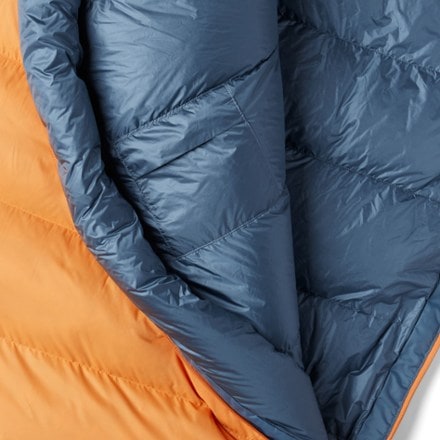
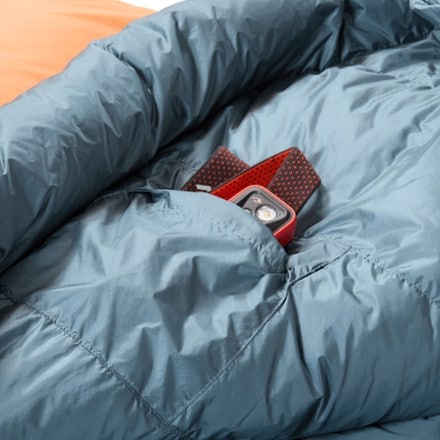
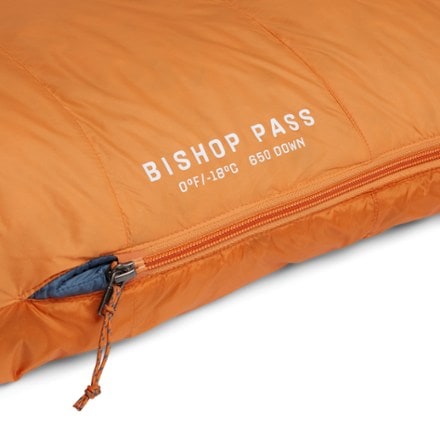
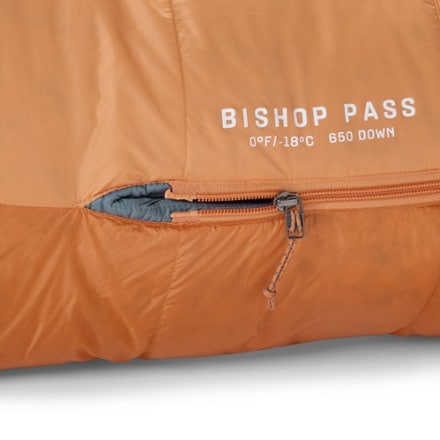
- Mountain HardwearBishop Pass 0 Sleeping Bag - Men'sTop Rated$385.00 - $405.00Temperature Rating:0 FWeight:3.13 to 3.31 lbsInsulation Type:Down
- Mountain HardwearBishop Pass 30 Sleeping BagTop Rated$315.00Temperature Rating:30 FWeight:1.79 to 1.87 lbsInsulation Type:Down
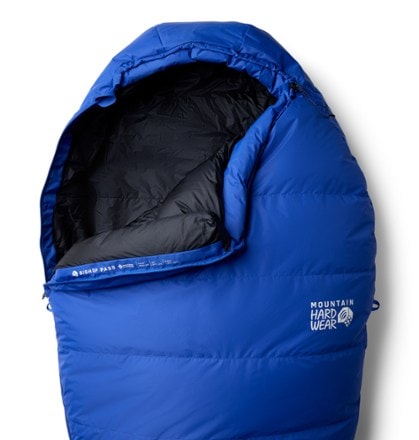
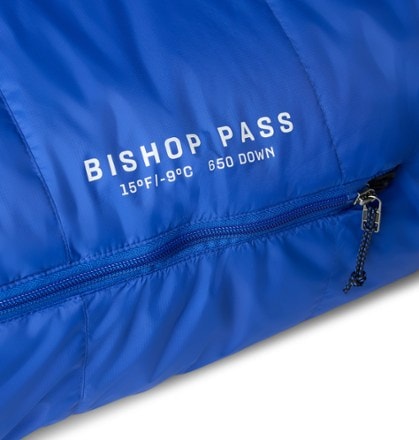
- Mountain HardwearBishop Pass 15 Sleeping Bag$335.00 - $355.00Temperature Rating:15 FWeight:2.34 to 2.49 lbsInsulation Type:Down
- Mountain HardwearPhantom 15F/-9C Sleeping Bag$670.00 - $710.00Temperature Rating:15 FWeight:1.95 to 2.23 lbsInsulation Type:DownFeatures:Ultralight
- Mountain HardwearPhantom WINDSTOPPER -40F/-40C Sleeping Bag$1,560.00 - $1,590.00Temperature Rating:-40 FWeight:4.52 to 4.71 lbsInsulation Type:DownFeatures:Ultralight
- Mountain HardwearBishop Pass 30 Sleeping Bag - Women's - Long - Right Zip$171.73Save 35%compared to $265.00Temperature Rating:30 FWeight:1.44 lbsInsulation Type:DownREI OUTLET
- Mountain HardwearBishop Pass 15 Sleeping Bag - Women'sTop Rated$335.00 - $355.00Temperature Rating:15 FWeight:2.52 to 2.65 lbsInsulation Type:Down
- Mountain HardwearBishop Pass 0 Sleeping Bag - Women's$405.00Temperature Rating:0 FWeight:3.17 to 3.44 lbsInsulation Type:Down
- Mountain HardwearPhantom 30F/-1C Sleeping BagTop Rated$580.00 - $610.00Temperature Rating:30 FWeight:1.32 to 1.5 lbsInsulation Type:DownFeatures:Ultralight
- Mountain HardwearBishop Pass 30 Sleeping Bag - Women's Regular$183.73Save 25%compared to $245.00Temperature Rating:30 FWeight:1.92 lbsInsulation Type:DownREI OUTLET
- Mountain HardwearLamina 15F/-9C Sleeping BagNew arrival$250.00 - $280.00Temperature Rating:15 FWeight:2.71 to 3.12 lbsInsulation Type:Synthetic
- Mountain HardwearLamina 0F/-18C Sleeping BagNew arrival$280.00 - $300.00Temperature Rating:0 FWeight:4.13 to 4.46 lbsInsulation Type:Synthetic
- Mountain HardwearBishop Pass 30 Sleeping Bag - Women's$315.00 - $335.00Temperature Rating:30 FWeight:1.92 to 2.1 lbsInsulation Type:Down
- Mountain HardwearShasta 0 Sleeping Bag - Women's Long$144.73Save 31%compared to $210.00Temperature Rating:0 FWeight:5.12 lbsInsulation Type:SyntheticREI OUTLET
- Mountain HardwearBishop Pass 0 WINDSTOPPER Sleeping Bag$550.00 - $580.00Temperature Rating:0 FWeight:3.16 to 3.59 lbsInsulation Type:Down
- Mountain HardwearLamina -20F/-29C Sleeping BagNew arrival$340.00 - $360.00Temperature Rating:-20 FWeight:5.07 to 5.32 lbsInsulation Type:Synthetic
- Mountain HardwearPhantom 0F/-18C Sleeping BagNew arrival$770.00 - $810.00Temperature Rating:0 FWeight:2.52 to 2.83 lbsInsulation Type:DownFeatures:Ultralight
- Mountain HardwearBishop Pass -15 WINDSTOPPER Sleeping Bag$660.00 - $680.00Temperature Rating:-15 FWeight:3.94 to 4.1 lbsInsulation Type:Down
- Mountain HardwearSpecter 30F/-1C Sleeping Bag$323.83 - $341.83Save 40%compared to $540.00 - $570.00Temperature Rating:30 FWeight:1.63 to 1.73 lbsInsulation Type:DownFeatures:Ultralight
- Mountain HardwearGhoul 20F/-7C Sleeping Bag$765.00 - $795.00Temperature Rating:20 FWeight:1.29 to 1.54 lbsInsulation Type:DownFeatures:Ultralight
- Mountain HardwearPhantom WINDSTOPPER 0F/-18C Sleeping Bag$1,260.00 - $1,290.00Temperature Rating:0 FWeight:3.64 to 3.82 lbsInsulation Type:DownFeatures:Ultralight
- Mountain HardwearSpecter 15F/-9C Sleeping BagTop Rated$720.00 - $750.00Temperature Rating:15 FWeight:2.27 to 2.44 lbsInsulation Type:DownFeatures:Ultralight
- Mountain HardwearBishop Pass Windstopper 15F/-9C Sleeping Bag$450.00 - $480.00Temperature Rating:15 FWeight:2.43 to 2.71 lbsInsulation Type:Down
- Mountain HardwearLamina 30F/-1C Sleeping BagNew arrival$230.00 - $260.00Temperature Rating:30 FWeight:1.98 to 2.36 lbsInsulation Type:Synthetic
- Mountain HardwearLamina 15F/-9C Sleeping Bag - Women'sNew arrival$270.00 - $290.00Temperature Rating:15 FWeight:3.78 to 4.15 lbsInsulation Type:Synthetic
- Mountain HardwearLamina 0F/-18C Sleeping Bag - Women'sNew arrival$290.00 - $295.00Temperature Rating:0 FWeight:4.58 to 4.72 lbsInsulation Type:Synthetic






Sort: Best Match