Article update planned. Suggestions welcomed (see Ratings and Comments link at right)
You've been dreaming of the perfect trip for months, and you're thinking of asking
someone — your partner, a friend or family member — to travel with you. But before you pack
your bags, there are some things you should consider about traveling with a partner.
Benefits of Traveling With Someone Else
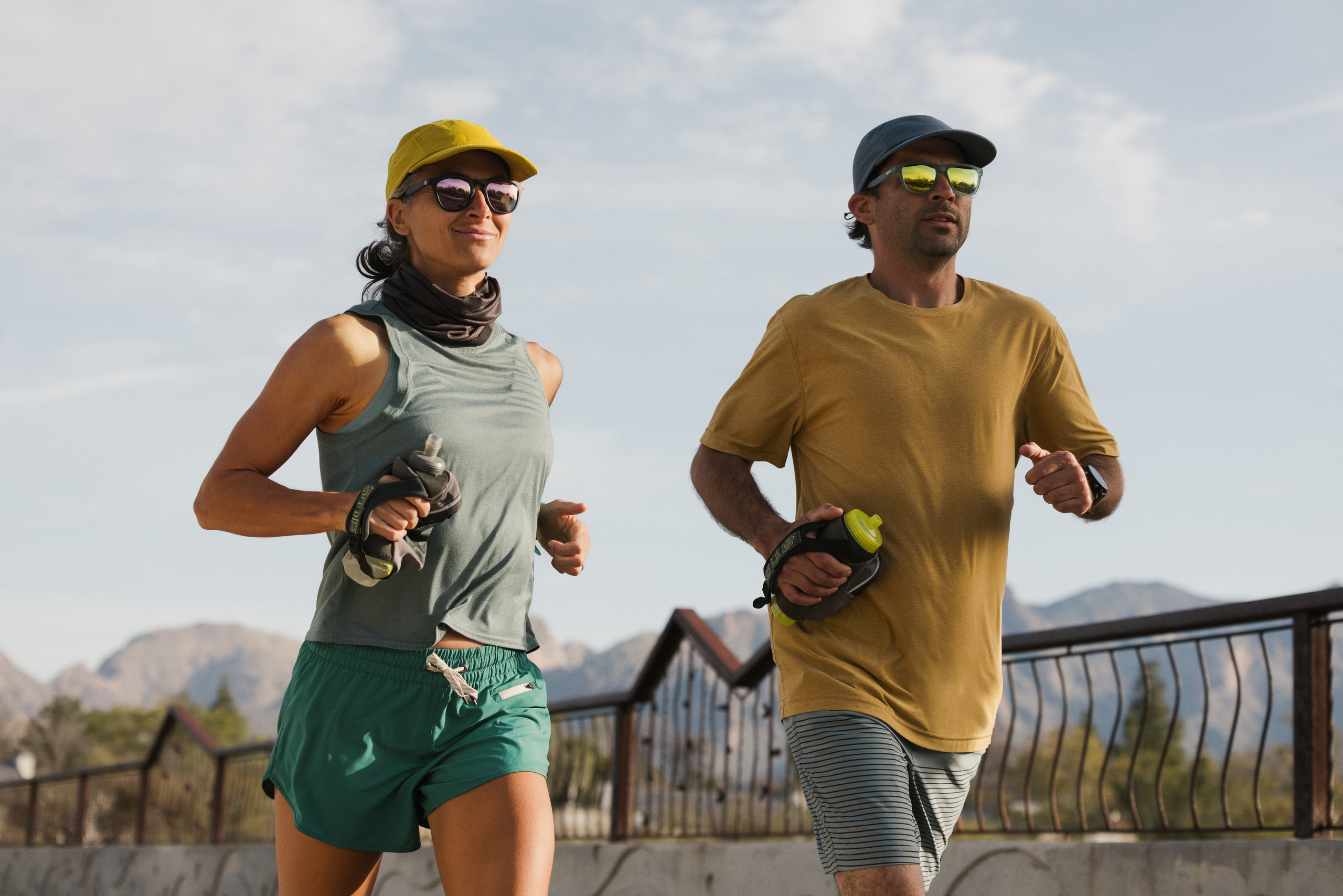
Sharing experiences with someone else when traveling can make your trip even more
meaningful. Here are some other reasons to travel with another person:
-
Togetherness: The first reason you should travel with someone
else is to spend time with that person. Away from work and the demands of daily life,
you'll have plenty of time to be together.
-
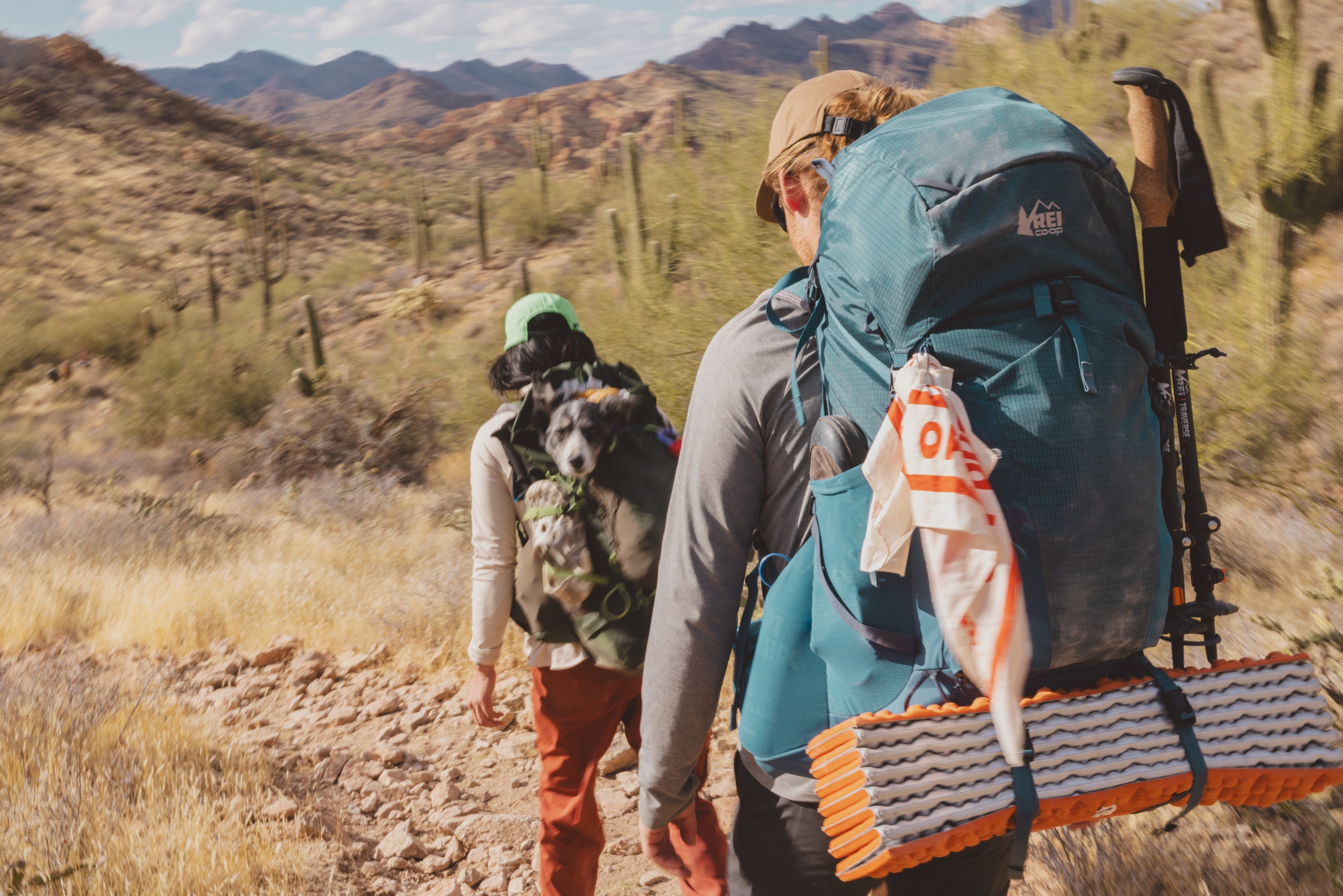
Safety: Travel in areas of political unrest and trekking or
backcountry travel is often safer with 2 or more people.
-
Save money: If you plan on staying in hotels, you can save money
by traveling with someone else since accommodations are usually charged by the room, not
by person.
-
It's easier: When you travel with another person, new places and
situations can be less intimidating. Also, women traveling with a partner often avoid
some of the harassment that single female travelers can encounter.
When It's Better to Go Alone
Sometimes it's better to go on your own than with a partner whose idea of travel doesn't
match yours. In the following situations, you should consider going solo:
-
When you're unsure about going alone: Don't let the fear of
traveling by yourself stop you from taking that trip if it's something you really want
to do. Having a traveling partner just for the sake of a warm body to keep you company
won't make for a good trip.
-
When your travel ideas don't match: If you think "whitewater
rafting" and your partner thinks "umbrella drinks," it might be wise to go separate
ways. Don't negotiate away the most important part of your trip just to please someone
else.
Before You Go
To help avoid conflicts and disappointment while on the trip, it pays to spend some time
talking with your partner before you leave. Be clear about your own goals for the trip, and
open to compromise. Here are some topics you should discuss honestly with your partner so
you both know what to expect when you travel together:
-
Purpose: Why do you want to take the trip? What would you most
like to get out of it?
-
Schedule: How much time do you want to spend traveling? Do you
prefer moving to a new place every day, or spending more time in 1 spot?
-
Travel style: What type of places do you like to stay in? Will
you eat just about anything, or would you rather stick to what you know? Do you like to
have everything planned, or do you prefer to take things as they come along?
-
Routines and habits: Are you a morning person or a night person?
Would you rather be 10 minutes early, or do you always run late?
While You're on the Road
When you're traveling, it's important to maintain the open communication and willingness
to compromise that you established before you started traveling together. Being outside of
your comfort zone and traveling in a foreign environment can be stressful. Here are some
suggestions on how to maintain harmony with your travel partner:
-
Check-in sessions: Every couple of days, or once a week for
longer trips, talk with your partner about how the trip is going. Make sure you're both
getting what you want out of the trip, and express any concerns about the pace you're
traveling and how much money you're spending.
-
Take breaks: You don't have to spend every single minute of the
day with your travel partner. If you'd rather go to the museum and your partner would
rather head to the beach, split up for the day and meet back at the hotel for dinner. If
you're traveling for a long period of time, consider spending a few days or weeks apart
so you both can get what you want out of the trip, and enjoy each other's company later.
Suggestions From the REI Staff
Wendy Crabb, of REI Seattle, has traveled in Ecuador, Tanzania, Kenya and throughout
Europe. "I believe it's crucial to determine what your travel partner's goals and interests
are before going," she said. When Wendy traveled to Ecuador with a group, they made
contingency plans for situations like delayed planes and someone getting sick or hurt. "It
turns out that I did get hurt pretty severely about a month before our trip," she said,
"and because we had discussed our options we were still able to plan a trip that
incorporated my injury into it, and we had an amazing time."
Back to Top
Find REI on:
Facebook
Twitter
YouTube
MySpace
Flickr