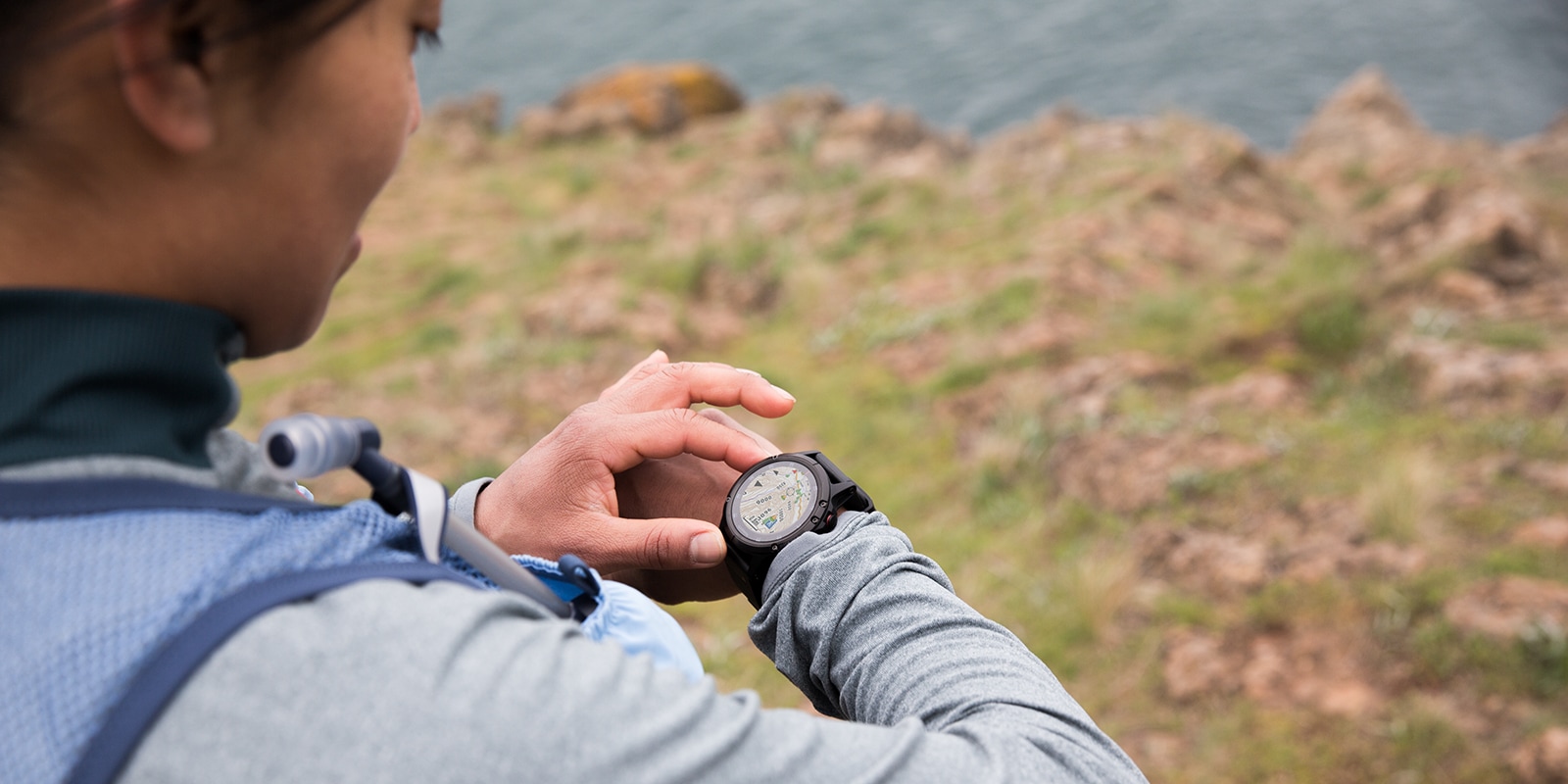
Between the time you start reading this sentence and when you finish it, chances are that a new fitness tracker will have come out. Or so it seems. The upside to this is that you've never had so many choices, nor had more capable devices to help you exercise and monitor your progress. The downside is that it's easy to get overwhelmed when you contemplate all of the things the latest fitness tracker can do for you.
Fitness watches are not only faster and more powerful than ever before, they're also so feature-rich that older terminology is no longer useful. Heart-rate monitors, activity trackers, pedometers and GPS watches used to be distinct devices. Now a single wrist-mounted gadget, which we'll call a "fitness tracker" in this article, can do most or all of the tasks those separate units used to do.
What Do You Want from a Fitness Tracker?
Having a device that can do everything is great, but identifying which of those "everythings" are most important to you helps narrow down your choices. (If you're a tech afficionado and love devices with unlimited possibilities, then that helps with your decision, too.)
When a Basic or Dedicated Device Makes More Sense than a Fitness Tracker
If you just want something to count your steps or time your run, then old-school fitness tech like a pedometer or a running watch will do exactly what you need at a fraction of the price of a fitness tracker.
Also, a do-it-all unit like a fitness tracker won't be as effective as a device that's purpose-built for a given activity. If navigation while hiking is your big focus, for example, then look at handheld GPS units. (How to Choose a GPS offers buying tips.) If you're an avid cyclist, then look at bike computers. (How to choose a bike computer offers advice.)
Using Your Smartphone as a Fitness Tracker
GPS-enabled phones can run third-party apps like Strava and Mapmyrun, monitoring your fitness metrics, logging your progress and helping you navigate. They also allow you to download data to mull over, and let you share results and routes with friends. Apps typically have a free version, though that generally offers access to basic functions like logging mileage and courses. For an app's full suite of features, you often need a subscription.
One advantage to your phone is that you already own it, so the only added expense might be for an app subscription and maybe a phone armband for running, or a handlebar mount for riding. Another plus is a larger screen size for navigation. The downside is shorter battery life than most trackers, and that fitness monitoring depletes a phone's battery, risking your ability to communicate in case of an emergency.
Fitness Tracker Functions and Pricing
As is true with any high-tech gear, paying more gets you more powerful processing, a more sophisticated user interface and more features (sometimes more features than you could ever possibly use). Key features on fitness trackers can include the following:
GPS functions: Global Position System (GPS) monitoring lets a fitness tracker provide data like your mileage, speed, location and elevation. Units that connect to multiple GPS satellite systems offer the fastest, most precise data and location tracking.
Navigation: More affordable units provide basic tracking and alert you when you're off course. More sophisticated units have programmable routes and can tell you which fork in the trail to take. Many let you mark waypoints or let the device lay down a breadcrumb trail. The base maps for navigation vary, with the best maps on top-tier units.
Battery features: Trackers generally have impressive battery life. Some offer battery-saving modes that reduce the rate of connection with GPS satellites. (The tradeoff is slightly less data precision.) A few premium price trackers offer solar recharging.
Activity monitoring: These features provide data like the number of steps taken, minutes of activity or frequency of activity. Many also offer challenges, badges for accomplishments and alerts to gently encourage you toward your fitness goals.
Sleep monitoring: Inactivity monitoring? Because getting adequate rest is also important to health, many trackers offer sleep feedback, which can vary from how long you slept to time spent in various sleep stages.
Heart-rate monitor (HRM) functions: These provide cardio and training data like heart rate, heart-rate zone data, VO2 max and more. Most trackers get heart-rate data from a wrist sensor, a more comfortable option than a chest strap. Chest straps, available as an accessory, are still considered more accurate, but wrist sensors have improved.
Activity-specific modes: Options might include running, cycling (road and trail), swimming, triathlon and skiing (alpine and XC). Choosing a mode taps into a range of metrics related to that mode.
Water resistance: Trackers have become more shock- and water-resistant over the years. Few are designed for diving, but most are water resistant to 30 meters or more.
Phone notifications: Many trackers can be paired with your smartphone to provide alerts about an incoming call or text on the fitness tracker's display.
Music functions: Some fitness trackers let you download music and pair headphones.
Fitness Tracker Shopping and Usage Tips
Check out brand apps. Some people find certain brands' apps easier to use. The apps are the tools you use to set up your tracker, customize its display and access and analyze fitness data. These apps also offer access to training plans and community features like route and results sharing. Many brands' apps also integrate with major third-party apps like Strava.
Play with your tracker when you first get it: All of that functionality means there is a lot to get familiar with. Learn how the basics work and how to set it up at home. Don't wait until your first walk, ride or run to figure everything out.
Update your software: Keeping a tracker's software updated fixes bugs, improves functionality and can even add new features. Most trackers work like smartphone, where you get upgrade notifications, and then use a wireless connection to install the upgrade.
Related Articles
Staff Picks: Best Fitness Trackers
How to Train Using Heart Rate Zones
